







PET Strapping vs PP Strapping: Which Is Better for Pallet Packaging?
By hqt
Jul, 2026Related Posts
Meet YALAN Packaging in Korea: Connecting with Global Packaging Partners at K-PRINT 2026
Aug 10, 2026

When Should a Warehouse Automate End-of-Line Packaging?
Jul 29, 2026
Total Packaging Cost: How to Cut Waste Without More Damage
Jul 29, 2026

Packaging Industry Trends 2026: What Buyers Should Watch
Jul 29, 2026
Choosing between PET and PP strapping is not simply a matter of buying the stronger band or the cheapest roll. The correct choice depends on the weight of the load, how much the products may settle during transport, the packaging method, storage conditions, and the level of consistency required on the packing line.
Both materials are widely used for cartons, bundles, and palletized goods, but they behave differently after tension is applied. Understanding those differences helps buyers reduce strap breakage, product damage, unnecessary material use, and inconsistent pallet performance.
What Is PET Strapping?
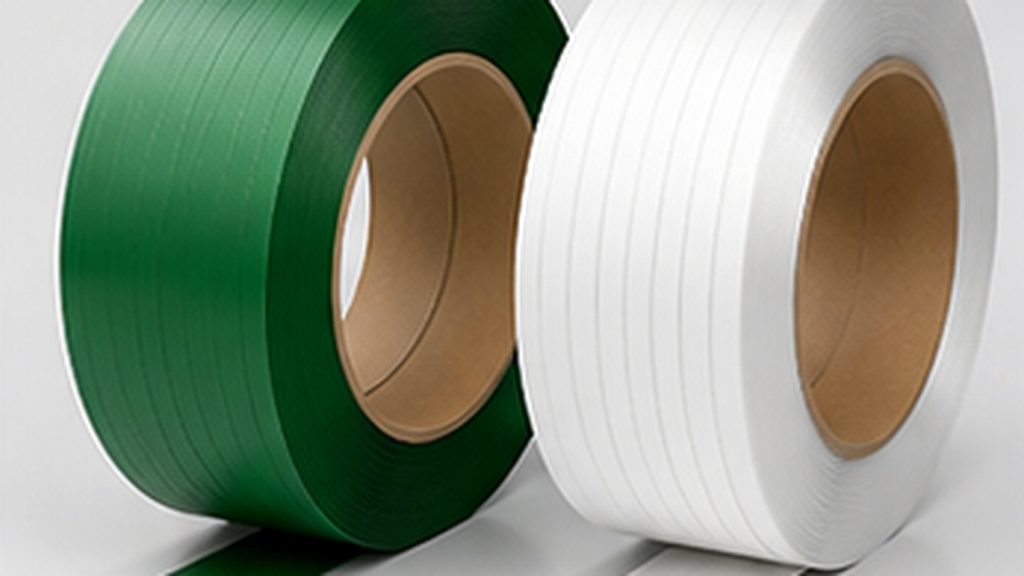
PET strapping is made from polyester. It is commonly selected for medium- to heavy-duty loads because it combines high tensile strength with good elastic recovery and reliable tension retention. When a pallet settles slightly during handling, PET can recover part of its tension and continue holding the load together.
This makes PET hand strapping practical for manually secured pallets, construction materials, timber, rigid cartons, and many export packaging applications. For repeatable production lines, PET machine strapping is designed for smooth feeding, consistent sealing, and controlled tension.
What Is PP Strapping?
PP strapping is made from polypropylene. It is lightweight, flexible, and generally economical for cartons, parcels, paper products, textiles, and other light- to medium-duty packages. It usually has more elongation than PET, which can be useful when a package needs a softer band or when the contents are less rigid.
PP hand strapping is often used in warehouses and distribution areas where operators secure cartons with simple manual tools. PP machine strapping is also common on semi-automatic and automatic carton-bundling lines.
PET Strapping vs PP Strapping at a Glance
| Selection Factor | PET Strapping | PP Strapping |
|---|---|---|
| Typical load level | Medium to heavy loads | Light to medium loads |
| Tension retention | Generally stronger over time | Better suited to shorter, lighter-duty cycles |
| Elastic recovery | Good recovery after minor load movement | Higher stretch but less recovery |
| Handling | Stiffer and more load-focused | Lightweight and flexible |
| Common applications | Pallets, timber, building materials, industrial goods | Cartons, parcels, paper products, retail bundles |
| Cost position | Usually higher per roll | Usually lower for routine bundling |
Strength Is Only One Part of Load Security
A stronger strap does not automatically create a safer pallet. The strap must match the load and be applied with suitable tension. Too little tension allows cartons to move. Excessive tension can crush weak packaging, deform product edges, or damage corrugated boxes.
For dense or rigid loads, PET often provides the better balance of strength and long-term holding performance. For lighter cartons that do not place high force on the strap, PP may provide sufficient security without adding unnecessary material cost.

Consider Load Settlement and Transport Distance
Pallets rarely remain exactly the same shape from packing to delivery. Corrugated cartons may compress, bags may settle, and mixed loads may shift as trucks accelerate, brake, or turn. PET is normally preferred when maintaining tension is important because the load is heavy, valuable, or traveling a long distance.
PP is better suited to stable, lightweight packages and shorter distribution cycles. It can also be a practical choice for bundling cartons before they are placed on a pallet or for securing products that will be handled mainly inside a warehouse.
Manual and Machine Compatibility
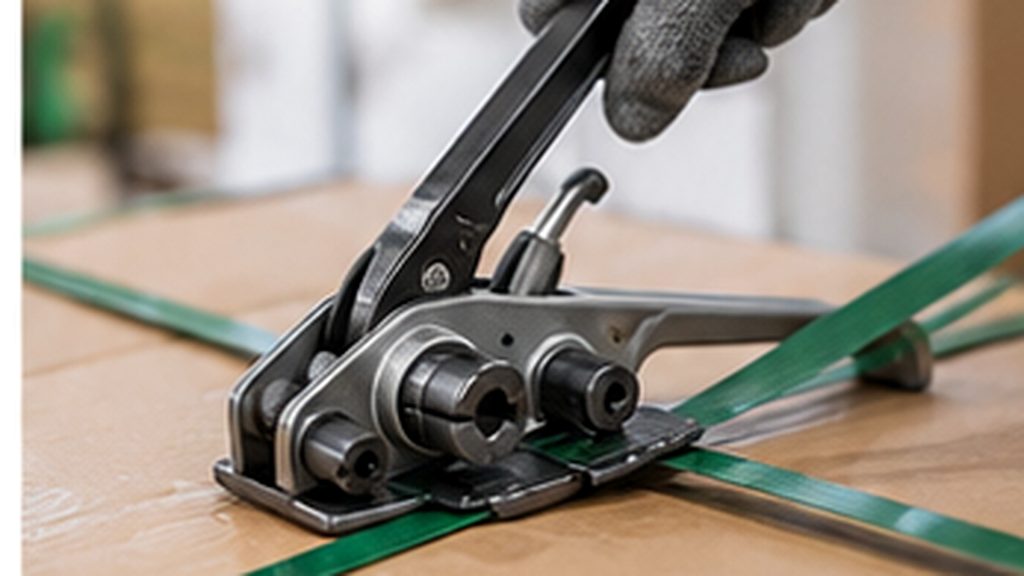
The strap must also match the equipment. Manual operations may use a tensioner, sealer, buckle, or battery-powered friction-weld tool. High-volume lines need strap with consistent width, thickness, straightness, surface quality, and coil winding so it can feed without frequent interruptions.
Businesses using manual packing stations can review strapping tools and tensioners. Automated facilities should confirm the machine model, joint type, strap size, required tension range, and coil specification before ordering.
Protect Product Edges Before Increasing Tension
When straps cross carton corners, the pressure is concentrated in a small area. Increasing strap tension without protecting the edge may damage the package before it improves pallet stability. A paper edge protector helps distribute pressure, reinforce the corners, and reduce the risk of straps cutting into cartons.
Edge protection is especially useful for tall pallets, stacked corrugated cartons, furniture, panels, and products with vulnerable finishes.
Compare Total Packaging Cost, Not Roll Price Alone
PP may have a lower purchase price, but the cheapest roll is not always the lowest-cost solution. Buyers should also consider the number of straps required, breakage during application, operator time, machine stoppages, product claims, and rejected pallets.
If PET allows fewer straps or maintains load stability more reliably, the higher material price may be justified. On the other hand, using PET on small, light cartons may add cost without creating a meaningful benefit. A simple trial on the actual load is more useful than choosing from price or tensile strength alone.
How to Choose the Right Strapping
Start with the load rather than the material. Record the pallet weight, carton strength, product shape, transport route, storage environment, packing volume, and equipment type. Then test the proposed strap on a complete pallet under realistic handling conditions.
Choose PET when the load is heavy, rigid, compressible over time, or exposed to demanding transport. Choose PP when the package is light, the distribution cycle is controlled, and economical routine bundling is the priority. For mixed operations, it is common to use PP for cartons and PET for finished pallets.
Conclusion
PET strapping and PP strapping serve different packaging jobs. PET is usually the stronger choice for palletized industrial loads and applications that require dependable tension retention. PP remains a practical, cost-conscious option for cartons, parcels, and lightweight bundling. The best result comes from matching the strap, tool, tension, edge protection, and load—not from selecting one material for every package.
Frequently Asked Questions
Is PET strapping stronger than PP strapping?
PET generally provides higher tensile strength and better tension retention, making it more suitable for medium- and heavy-duty pallet loads. The final choice should still be based on the actual package and equipment.
Can PP strapping be used on pallets?
Yes. PP can secure lightweight, stable pallets, especially for short transport cycles. Heavy or settling loads usually benefit from PET.
Can PET and PP strapping use the same tools?
Some tools support both materials, but the strap width, thickness, joint method, and tension range must match the equipment specification.
Should edge protectors be used with strapping?
They are recommended when the strap could crush carton corners, damage finishes, or concentrate pressure on the load.
How should a buyer test a new strapping material?
Run a trial on a complete production load, using the intended tools and transport conditions. Check joint quality, retained tension, edge damage, load movement, and operator consistency.
Share on Social:


Contact Us
In This Article
Related Posts
Meet YALAN Packaging in Korea: Connecting with Global Packaging Partners at K-PRINT 2026
Aug 10, 2026
When Should a Warehouse Automate End-of-Line Packaging?
Jul 29, 2026
Total Packaging Cost: How to Cut Waste Without More Damage
Jul 29, 2026
Packaging Industry Trends 2026: What Buyers Should Watch
Jul 29, 2026


