







Packaging Industry Trends 2026: What Buyers Should Watch
By hqt
Jul, 2026Related Posts
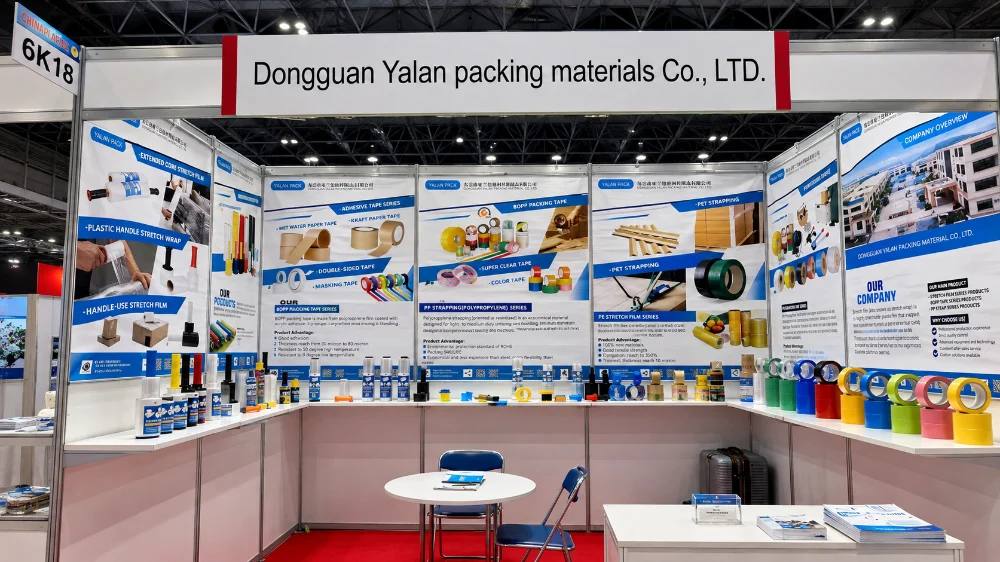
Meet YALAN Packaging in Korea: Connecting with Global Packaging Partners at K-PRINT 2026
Aug 10, 2026

When Should a Warehouse Automate End-of-Line Packaging?
Jul 29, 2026
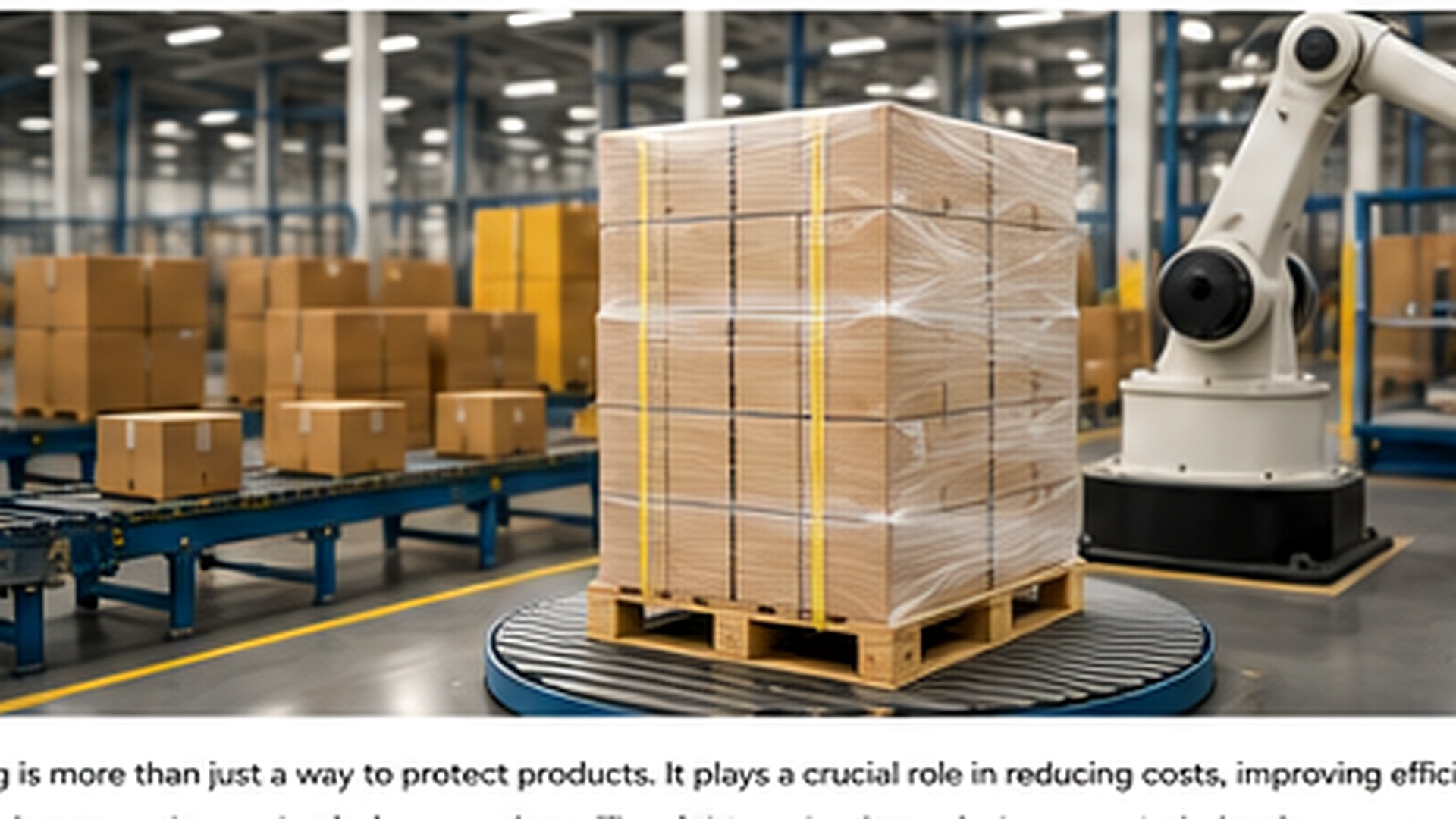
Total Packaging Cost: How to Cut Waste Without More Damage
Jul 29, 2026

Packaging Industry Trends 2026: What Buyers Should Watch
Jul 29, 2026
Packaging industry trends in 2026 are being shaped by three connected pressures: buyers want lower material use, operations need more consistent output, and regulators are asking businesses to prove that packaging has been designed for recovery rather than disposal. For distributors and industrial users, the practical question is no longer whether packaging should become more sustainable or more automated. It is how to make that change without increasing damage, slowing production, or creating a specification that suppliers cannot reproduce.
The strongest packaging programs are moving away from isolated product decisions. Stretch film, carton tape, strapping, edge protection, equipment, and transport conditions are being evaluated as one system. This approach makes it easier to remove unnecessary material while preserving the holding force and protection that the shipment actually needs.
Regulation Is Moving Packaging From Claims to Measurable Design
Environmental language is becoming more specific. In the European Union, Regulation (EU) 2025/40 on packaging and packaging waste entered into force on 11 February 2025 and will generally apply from 12 August 2026. The European Commission states that the regulation covers the full packaging life cycle and aims to make packaging placed on the EU market recyclable in an economically viable way by 2030.
For exporters, this means packaging decisions should be documented earlier. Buyers may increasingly ask about material composition, recyclability, unnecessary volume, recycled content, and the separation of different packaging components. A supplier does not need to turn every quotation into a legal report, but it should be able to describe the film, adhesive, strap, paper protector, core, and outer carton accurately.
Businesses selling into Europe should review the official European Commission packaging-waste guidance and obtain market-specific compliance advice where required.
Lightweighting Is Replacing Simple Downgauging
Using a thinner material is not automatically an improvement. A film that is too light may puncture, a narrow strap may lose tension, and a weak carton seal may require extra passes of tape. The more useful idea is lightweighting: reducing total material while maintaining the performance of the complete pack.
For pallet wrapping, this may involve a higher-performance film applied at the correct pre-stretch ratio. For cartons, it may mean matching the adhesive to the corrugated surface rather than adding a second strip. For strapped loads, it may mean combining the correct PET or PP strapping with paper edge protectors so tension is distributed across the corners.
The United States Environmental Protection Agency places source reduction and reuse above recycling in its non-hazardous materials management hierarchy. Its sustainable-packaging guidance also notes that lighter or more efficient packaging can reduce waste and help companies save money. The important word is efficient: the shipment must still arrive intact.

Recyclability Depends on the Whole Packaging System
A single recyclable component does not make the complete shipment easy to recover. A pallet may contain polyethylene film, polypropylene or polyester strapping, pressure-sensitive tape, paperboard, metal seals, and labels. If these components are difficult to separate, local recycling systems may not accept them together.
Packaging teams are therefore paying more attention to material families and separation steps. Clear instructions for warehouse users can be more valuable than a vague sustainability statement. Buyers should ask whether the strap and film can be removed quickly, whether paper protectors remain clean enough for paper recovery, and whether printed or coated components affect local recycling routes.
Yalan's product structure supports this system-based approach through packaging tape, strapping, edge protection, and packaging equipment that can be specified together.
Automation Is Becoming More Practical and More Targeted
Packaging automation does not always begin with a fully robotic line. Many factories start with one repetitive step: carton sealing, pallet stretch wrapping, strap tensioning, or conveying. The objective is to improve consistency where manual variation creates waste or damage.
PMMI's 2025 State of the Industry report identifies automation, workforce constraints, sustainability strategies, and operator-free systems as important packaging machinery themes. The most useful investments are usually tied to a defined bottleneck rather than a general desire to “automate.”
A stretch wrapping machine can control overlap, top wraps, bottom wraps, and film tension. A strapping machine can improve tension repeatability. The equipment still needs the correct machine-grade material and a load profile that has been tested.
Packaging Data Is Moving Closer to the Production Floor
Packaging performance was once judged mainly by visible damage and material consumption. More operations now record film weight per pallet, tape length per carton, strap breaks, machine stops, rework, load movement, and complaints by product type.
A simple weekly sheet can show whether a thinner film reduced consumption, a longer tape roll reduced changeovers, or a new strapping pattern lowered damage. Compare the same load before and after the change.

Supplier Consistency Is Becoming a Strategic Requirement
As materials become lighter and machines run faster, variation matters more. A small change in film gauge, adhesive coating, roll width, core dimension, or winding tension can interrupt a line that previously tolerated wider variation.
Industrial buyers are therefore looking beyond the lowest unit price. They want stable raw materials, repeatable production, batch inspection, clear specifications, and a supplier that can investigate problems using retained samples and production records.
This trend favors long-term specification management. Once a material is approved, both sides should control changes to resin, adhesive, film thickness, roll dimensions, packaging, and labeling. A consistent medium-priced product can cost less in operation than a cheap product that creates stops and rework.
One-Stop Sourcing Is Growing, but Technical Fit Still Comes First
Consolidating stretch film, tape, strapping, tools, and edge protection with one supplier can simplify purchasing and reduce communication time. It may also make mixed-container planning and coordinated quality control easier.
However, one-stop sourcing should not mean using one generic grade everywhere. A carton line, a hand-wrapped warehouse pallet, and a heavy export load need different specifications. The advantage of a broad supplier is the ability to build a matched system, not to force every application into the same product.
Packaging Industry Trends 2026: Buyer Action Table
| Industry trend | Operational meaning | Recommended buyer action |
|---|---|---|
| Regulatory pressure | More requests for material and recyclability information | Document composition and market requirements |
| Lightweighting | Lower material use without lower protection | Test the complete package, not thickness alone |
| Targeted automation | Repetitive tasks move from manual to controlled equipment | Automate the clearest bottleneck first |
| Data-driven optimization | Consumption and damage are measured by load type | Create a repeatable baseline and trial record |
| Supplier consolidation | Fewer vendors and coordinated specifications | Keep application-specific grades and change control |
Conclusion
The most important packaging industry trend in 2026 is the move from isolated materials to verified packaging systems. Sustainability, automation, cost control, and supply reliability are no longer separate projects. Each depends on how the film, tape, strapping, protection, equipment, and load interact.
Businesses should begin with a packaging audit, identify the largest source of waste or damage, and test one controlled improvement at a time. For product samples, custom specifications, or a matched packaging-material program, contact Yalan Packaging.
Frequently Asked Questions
What is the biggest packaging trend in 2026?
The strongest trend is system-level optimization: using less material, collecting better performance data, and improving recyclability without increasing product damage.
Does sustainable packaging always cost more?
No. Some materials have a higher purchase price, but lightweighting, lower damage, fewer changeovers, and simpler recovery can reduce total operating cost.
How does the EU PPWR affect exporters?
It increases the importance of material documentation, recyclability, packaging minimization, and market-specific compliance planning. Exporters should review official guidance and customer requirements.
Should every warehouse automate packaging?
Not immediately. Automation is most useful when volume is repetitive, manual variation is costly, and the process can be standardized.
What information should a packaging supplier provide?
At minimum, buyers should confirm material type, dimensions, adhesive or resin system, application method, test criteria, packaging format, and batch traceability.
Share on Social:


Contact Us
In This Article
Related Posts
Meet YALAN Packaging in Korea: Connecting with Global Packaging Partners at K-PRINT 2026
Aug 10, 2026
When Should a Warehouse Automate End-of-Line Packaging?
Jul 29, 2026
Total Packaging Cost: How to Cut Waste Without More Damage
Jul 29, 2026
Packaging Industry Trends 2026: What Buyers Should Watch
Jul 29, 2026


