







Total Packaging Cost: How to Cut Waste Without More Damage
By hqt
Jul, 2026Related Posts
Meet YALAN Packaging in Korea: Connecting with Global Packaging Partners at K-PRINT 2026
Aug 10, 2026

When Should a Warehouse Automate End-of-Line Packaging?
Jul 29, 2026
Total Packaging Cost: How to Cut Waste Without More Damage
Jul 29, 2026

Packaging Industry Trends 2026: What Buyers Should Watch
Jul 29, 2026
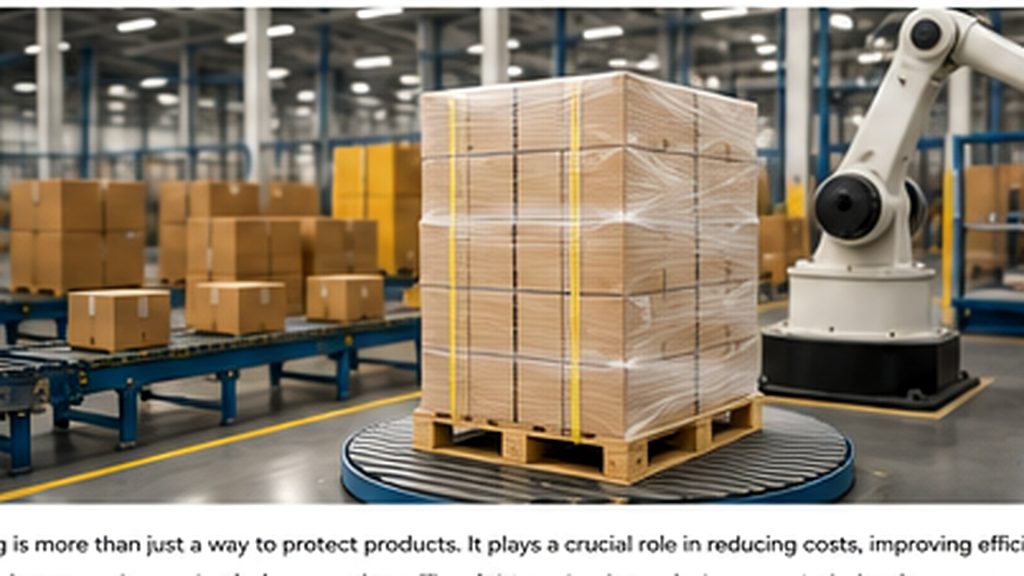
Total packaging cost is much larger than the invoice value of stretch film, tape, strapping, or cartons. A roll that is cheaper per kilogram can become more expensive when operators use extra layers, machines stop more often, pallets move in transit, or damaged goods must be replaced. The right comparison is the cost of delivering a secure shipment, not the cost of purchasing one packaging item.
For distributors, manufacturers, and warehouse operators, total packaging cost usually includes material, labor, freight space, equipment downtime, inventory, rework, product damage, returns, and disposal. These costs are spread across several departments, so they are easy to miss unless the business runs a structured packaging audit.
Build a Baseline Before Changing Materials
Start with one representative product family. Record the number of cartons or pallets packed, the exact material specification, material used per pack, labor time, machine stops, and damage reports. Use a normal production period rather than a short demonstration run.
For pallet wrapping, weigh a wrapped pallet and then remove and weigh the film, or calculate consumption from roll weight and pallet count. For carton sealing, record roll length and cartons sealed per roll. For strapping, count straps per pallet and measure the length of each strap.
A baseline prevents misleading savings. A film may be 8 percent cheaper per roll but require 20 percent more material. A longer roll of packaging tape may cost more per roll but reduce changeovers and labor.
Separate Material Price From Material Efficiency
Material efficiency is the amount of useful packaging performance obtained from each kilogram or meter. A higher-performance stretch film may deliver more pallets per roll because it can be applied at a higher pre-stretch ratio. A stronger tape may seal a carton with one validated H-pattern instead of several overlapping strips.
The same principle applies to PET and PP strapping. The correct strap should maintain tension through handling and transport. Selecting only by strap weight or width can lead to breakage, excessive elongation, or unnecessary material.
Buyers should request samples and compare consumption on the same load. Record not only whether the package survives, but also how much material and time were required.
Product Damage Is Usually the Largest Hidden Cost
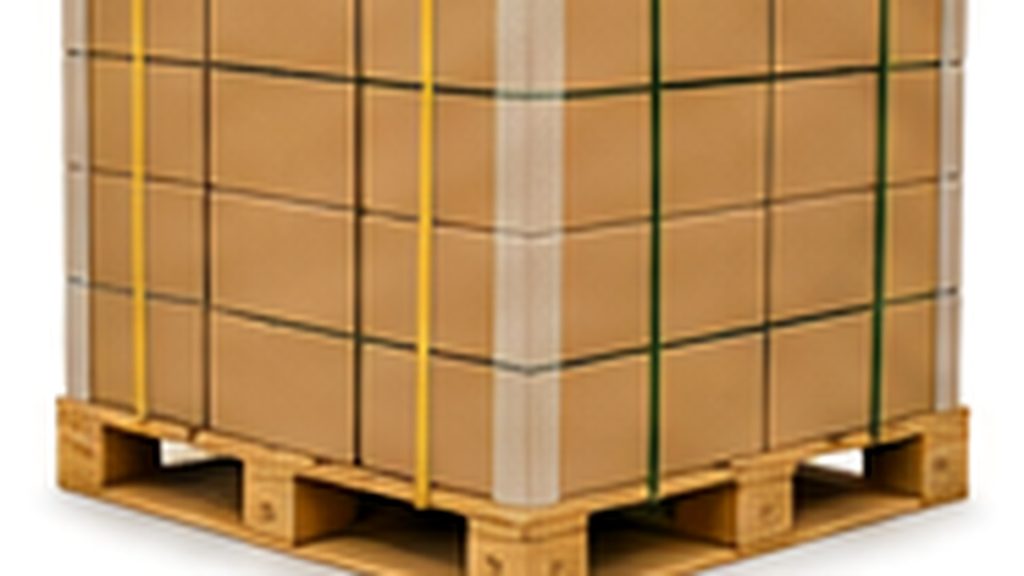
Packaging damage creates replacement cost, freight for reshipment, inspection time, customer complaints, and lost confidence. The value of the product often exceeds the value of the packaging by a wide margin.
This does not mean adding more material everywhere. It means reinforcing the load where stress is concentrated. Paper edge protectors can distribute strap pressure and protect carton corners. A top sheet can reduce dust and moisture exposure. A better pallet pattern can eliminate the need for several extra film layers.
Labor Cost Depends on Process Design
Manual packaging cost is not just the minutes spent applying material. Operators also collect rolls, adjust tools, replace damaged dispensers, search for the correct grade, and rewrap unstable loads. Poor workplace layout can add repeated walking and lifting.
Place approved materials close to the packing point, use clear product identification, and standardize the wrapping or sealing method. A good dispenser can improve tension control and reduce fatigue. When volume becomes repetitive, equipment from the packaging tools and equipment range may lower labor variation.
Automation should be evaluated using output per hour, operator time released, material savings, maintenance, and downtime. The machine price alone does not show the return.
Freight and Storage Costs Are Part of Packaging
Oversized cartons, unstable pallets, and irregular load heights reduce truck and warehouse utilization. A lower material cost can be offset by paying to transport empty space.
Review carton size, pallet footprint, stack height, and overhang. Standardized pallet dimensions can improve racking and vehicle planning. Stable, square loads are also easier to wrap and strap, reducing material variation.
For export shipments, consider container movement, humidity, long dwell times, and repeated handling. A packaging design that works for a local truck route may not be sufficient for a long international journey.

Downtime Can Erase Material Savings
Machine-grade film, tape, and strapping must be consistent in width, thickness, core dimensions, winding, and surface quality. A cheap roll that breaks or tracks poorly can stop the line, create scrap, and require an operator to reset the equipment.
Record downtime by cause. Separate machine faults from material faults and setup errors. When a material problem occurs, keep the roll, batch label, and sample of the failed package so the supplier can investigate.
Stable quality is especially important for stretch wrapping machines and strapping machines, where small variation can affect tension and feeding.
Inventory Cost Favors Standardization, Not One-Grade-Fits-All
Too many similar specifications create slow-moving stock, picking errors, and emergency purchasing. Too few specifications force easy and difficult loads to use the same material.
A practical range may include a light-duty hand film, a machine film, a general carton tape, a difficult-surface tape, a PP strap for cartons, and a PET strap for heavier pallets. The exact number should reflect real load groups.
Assign a clear code and approved application to each grade. Review consumption quarterly and remove duplicate specifications only after testing.
Use a Controlled Packaging Trial
A good trial compares the existing system with one proposed change. Keep the product, pallet, operator, machine settings, and transport test as consistent as possible.
Measure material per pack, cycle time, film or tape breaks, load movement, carton compression, and damage after handling. Run enough packs to show normal variation. One perfect demonstration pallet is not proof of production performance.
Total Packaging Cost Audit Table
| Cost area | Hidden symptom | Useful measurement |
|---|---|---|
| Material | Extra wraps, double taping, excess straps | Grams or meters per pack |
| Labor | Walking, roll changes, rework | Minutes per carton or pallet |
| Damage | Returns, crushed corners, shifted loads | Damage value by load type |
| Downtime | Film breaks, tape jams, strap misfeeds | Minutes and events per shift |
| Freight | Unused cube and unstable stacking | Cartons or pallets per vehicle |
| Inventory | Duplicate grades and emergency orders | Stock turns and obsolete material |
Choose Suppliers on Repeatability and Support
A supplier should provide a stable specification, retained samples, batch identification, and clear communication when raw materials or production conditions change. This support becomes more important as the packaging system uses lighter materials and faster equipment.
Ask the supplier to recommend a trial method rather than simply quoting a lower price. The best commercial relationship is built around cost per secure shipment and repeatable supply.
Conclusion
Total packaging cost is reduced by removing waste from the complete operation, not by choosing the cheapest roll. Establish a baseline, protect the highest-risk areas, standardize work, measure machine downtime, and test new materials on real loads.
A well-designed packaging system can use less material while improving damage control and productivity. For a specification review or sample trial involving film, tape, strapping, edge protection, and equipment, contact Yalan Packaging.
Frequently Asked Questions
What is included in total packaging cost?
It includes material, labor, equipment downtime, storage, freight utilization, rework, product damage, returns, inventory, and disposal.
Is thinner packaging always cheaper?
No. A thinner material is cheaper only when it achieves the required protection with equal or lower consumption and does not increase damage.
How can I measure stretch-film cost per pallet?
Track roll weight and pallet count, or weigh the film removed from a representative pallet. Compare the same load and wrapping pattern.
When does packaging automation reduce cost?
Automation is most effective when volume is repetitive, manual variation is high, and the process has a clear material or labor baseline.
How long should a packaging trial run?
It should include enough production packs to represent normal operators, shifts, machines, and load variation, followed by realistic handling or transport checks.
Share on Social:


Contact Us
In This Article
Related Posts
Meet YALAN Packaging in Korea: Connecting with Global Packaging Partners at K-PRINT 2026
Aug 10, 2026
When Should a Warehouse Automate End-of-Line Packaging?
Jul 29, 2026
Total Packaging Cost: How to Cut Waste Without More Damage
Jul 29, 2026
Packaging Industry Trends 2026: What Buyers Should Watch
Jul 29, 2026


