







When Should a Warehouse Automate End-of-Line Packaging?
By hqt
Jul, 2026Related Posts
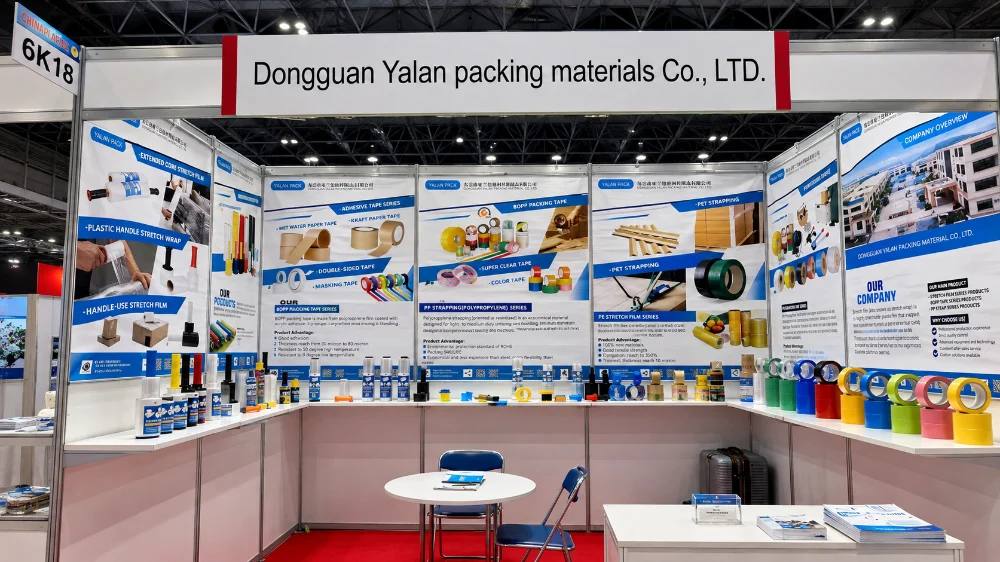
Meet YALAN Packaging in Korea: Connecting with Global Packaging Partners at K-PRINT 2026
Aug 10, 2026

When Should a Warehouse Automate End-of-Line Packaging?
Jul 29, 2026
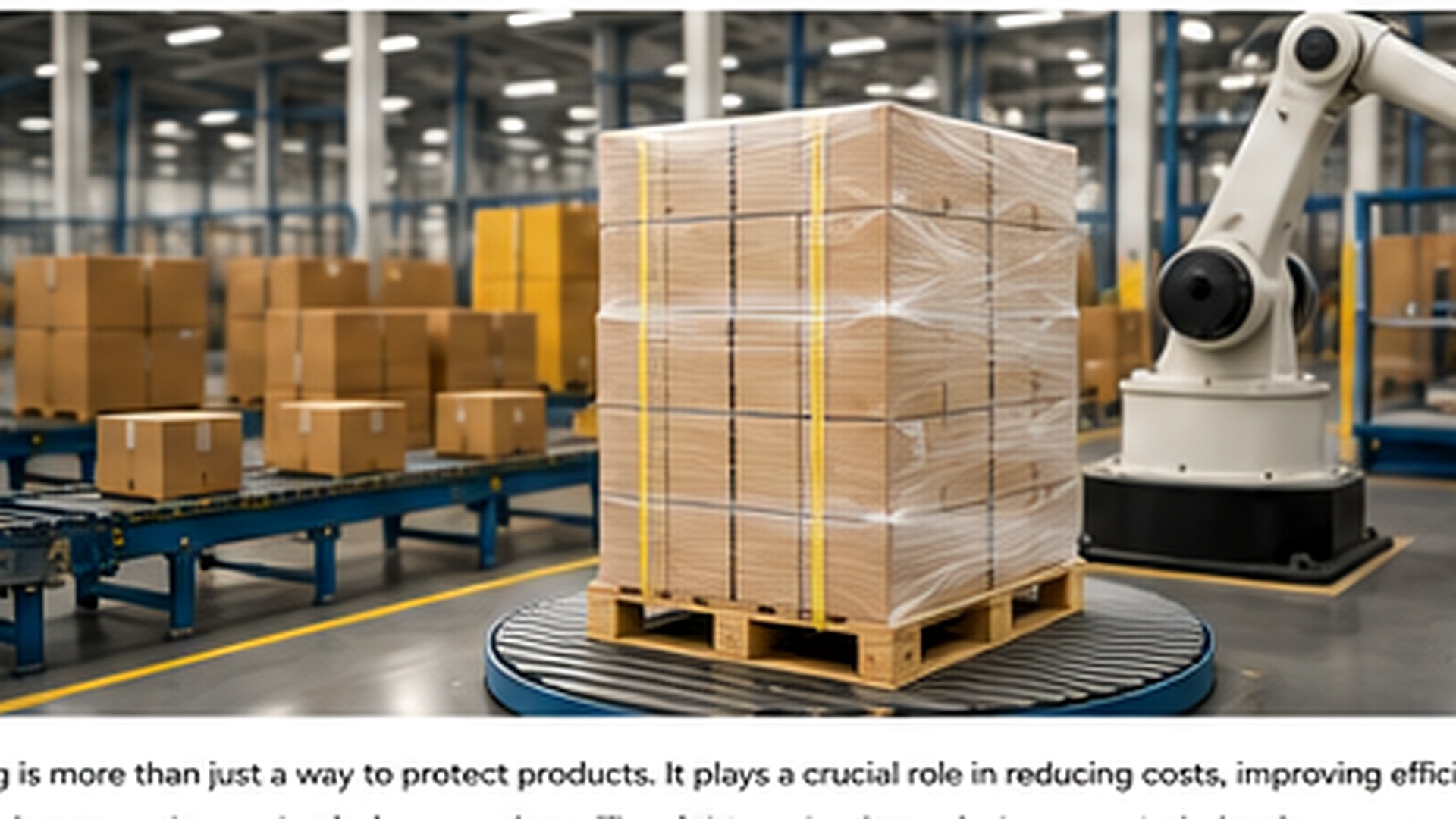
Total Packaging Cost: How to Cut Waste Without More Damage
Jul 29, 2026

Packaging Industry Trends 2026: What Buyers Should Watch
Jul 29, 2026
Packaging automation becomes attractive when manual work can no longer deliver the required output, consistency, or safety. A warehouse may begin with hand tape dispensers and manual pallet wrapping, then add a carton sealer, stretch wrapper, or strapping machine as order volume grows.
The difficult question is timing. Automating too early can lock a changing process into the wrong equipment. Waiting too long can create labor bottlenecks, uneven material use, repetitive strain, unstable pallets, and missed shipping deadlines. The right moment is when the process is understood well enough to standardize and the cost of manual variation is measurable.

Map the Current Packaging Process
Observe the complete path from product arrival at the packing station to the finished carton or pallet leaving the area. Record who brings the materials, how the package is positioned, how many times it is handled, and where operators wait.
Many apparent labor problems are layout problems. Moving tape, film, pallets, printers, and labels closer to the point of use may improve output without new machinery. Automation should solve the remaining repetitive bottleneck after basic organization has been completed.
Measure Volume and Variation
Equipment performs best when the product range fits its operating window. Count cartons or pallets per hour, but also record size variation, load weight, unstable products, special sealing patterns, and seasonal peaks.
A line packing 300 identical cartons is easier to automate than a line packing 80 cartons with 20 different sizes and frequent exceptions. Flexible equipment can handle variation, but changeovers, sensors, guides, and programming add cost.
PMMI's 2025 packaging industry research highlights automation, workforce constraints, equipment flexibility, and operator support as major machinery themes. NIST's Manufacturing Extension Partnership also recommends defining automation goals and selecting projects with clear operational impact before implementation.
Calculate the Real Manual Cost
Include direct labor, overtime, training, rework, material overuse, and the cost of packages that fail because tension or sealing varies by operator. Manual work may appear inexpensive when only hourly wages are counted.
Track film per pallet, tape per carton, straps per load, and cycle time. If the same load uses noticeably different material on different shifts, controlled equipment may create savings even when labor remains on the line.

Choose the First Automation Point
The best first project is usually a repetitive step with a stable product flow and a visible cost. Common starting points include carton sealing, stretch wrapping, strap tensioning, and pallet movement.
A carton sealer can improve tape placement and pressure. A stretch wrapping machine can standardize overlap and film tension. A strapping machine can improve strap tension and reduce manual sealing steps.
Do not automate several unstable steps at once. A phased project makes it easier to identify the source of improvement or failure.
Manual, Semi-Automatic, and Automatic Systems
| System level | Operator role | Best fit |
|---|---|---|
| Manual | Applies and controls all material | Low volume, high variation, mobile work |
| Semi-automatic | Positions package and starts cycle | Moderate repetitive volume |
| Automatic | Monitors line and replenishes materials | High, stable throughput with integrated conveying |
| Robotic or integrated | Supervises exceptions and maintenance | Complex end-of-line systems and high labor pressure |
Semi-automatic equipment is often the most practical transition. It reduces variation while preserving operator flexibility. Fully automatic systems require reliable upstream flow, consistent package presentation, guarding, sensors, and downstream capacity.
Confirm Material Compatibility
Automation changes the demands placed on packaging materials. Machine film must tolerate the pre-stretch system and carriage speed. Machine tape must unwind and cut consistently. Strapping must feed through guides without excessive curvature, dust, or dimensional variation.
Use approved machine-grade products from the relevant packaging tape and strapping categories. Test the material at production speed, not only at a slow demonstration setting.
Record the approved roll width, length, core size, gauge, adhesive or resin system, and winding direction. A machine can be reliable only when the incoming material is repeatable.
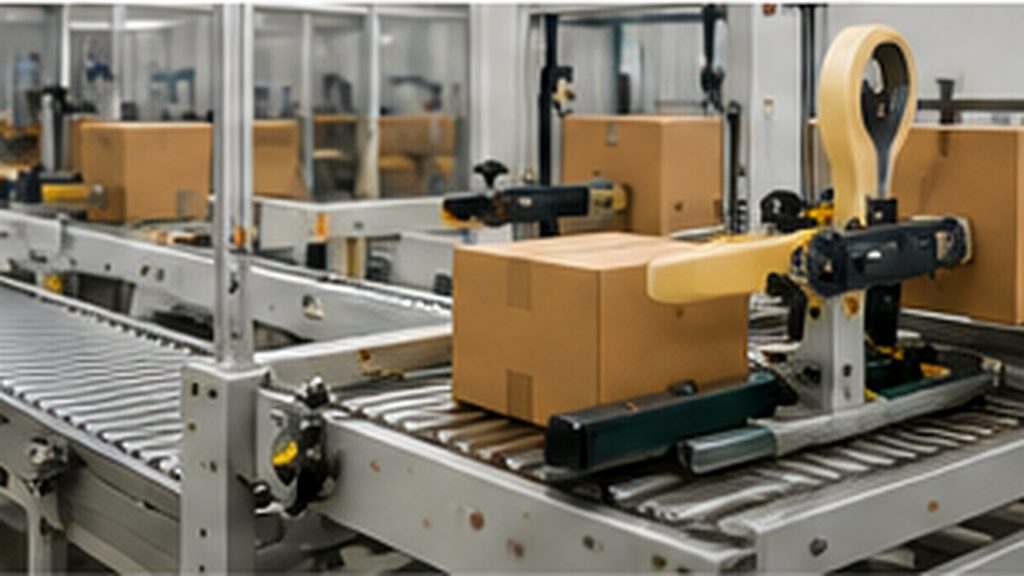
Plan for Changeovers and Exceptions
Real warehouses handle damaged cartons, leaning pallets, short production runs, and urgent orders. The equipment plan must define what happens when a package falls outside the normal range.
Measure changeover time and verify that adjustments are clear and repeatable. If one experienced operator is the only person who knows how to reset the machine, the automation has created a new dependency.
Keep a manual or bypass method for exceptions where practical. The objective is a resilient process, not a line that stops because one unusual package arrives.
Include Safety and Ergonomics From the Start
Automation can reduce repetitive bending, walking, pulling, and tensioning, but it also introduces moving turntables, conveyors, cutters, and strap heads. Guarding, emergency stops, access points, lockout procedures, and operator training must be part of the project.
Review loading height, film-roll replacement, strap-coil handling, and maintenance access. A machine that improves cycle time but creates awkward replenishment is not fully optimized.
Prepare Operators and Maintenance Teams
Operators should understand the normal cycle, approved settings, material loading, basic fault messages, and when to call maintenance. Maintenance teams need spare-parts lists, preventive schedules, electrical and pneumatic documentation, and supplier support contacts.
PMMI's workforce research emphasizes embedded instructions, task-based training, predictive alerts, and remote support as tools for closing frontline skill gaps. Even simple equipment benefits from clear visual standards and short troubleshooting guides.
Set an Acceptance Test Before Ordering
Define the packages, speeds, materials, and operating conditions that the equipment must handle. Include the smallest and largest carton, the lightest and heaviest pallet, and any difficult surface or unstable load.
The acceptance test should measure throughput, material consumption, package quality, changeover time, noise, downtime, and operator tasks. Do not accept a system only because it completes one demonstration cycle.
Packaging Automation Upgrade Signals
- Packaging is limiting shipping output.
- Material use varies significantly by operator or shift.
- Repetitive wrapping or tensioning creates ergonomic concerns.
- Carton or pallet dimensions are sufficiently standardized.
- Machine downtime and service support can be planned.
- The business has reliable volume beyond a short seasonal peak.
- A measurable payback target has been approved.
Conclusion
A warehouse should automate end-of-line packaging when the manual process has a clear, repeatable bottleneck and the expected improvement can be measured. Start by organizing the work, collecting baseline data, and selecting one stable process.
Choose equipment and materials together, plan for exceptions, train operators, and define an acceptance test before purchase. Yalan supplies packaging tools and equipment together with compatible tape, film, strapping, and accessories for phased warehouse upgrades.
Frequently Asked Questions
What packaging process should be automated first?
Start with the most repetitive, measurable bottleneck, such as carton sealing, pallet stretch wrapping, or strap tensioning.
Is semi-automatic equipment suitable for small warehouses?
Yes. It can reduce variation and labor effort without requiring a fully integrated conveyor line.
How is packaging automation payback calculated?
Compare equipment, installation, maintenance, and training cost with labor released, material savings, higher output, lower damage, and reduced downtime.
Can a machine use the same film or tape as manual packing?
Not always. Machine applications need compatible roll dimensions, unwind behavior, backing strength, and performance at production speed.
What should be included in a machine acceptance test?
Test the real package range, target speed, approved materials, changeovers, safety functions, package quality, and normal operator tasks.


Contact Us
In This Article
Related Posts
Meet YALAN Packaging in Korea: Connecting with Global Packaging Partners at K-PRINT 2026
Aug 10, 2026
When Should a Warehouse Automate End-of-Line Packaging?
Jul 29, 2026
Total Packaging Cost: How to Cut Waste Without More Damage
Jul 29, 2026
Packaging Industry Trends 2026: What Buyers Should Watch
Jul 29, 2026


