







Stretch Film vs Shrink Film: What Is the Difference?
By hqt
Jul, 2026Related Posts
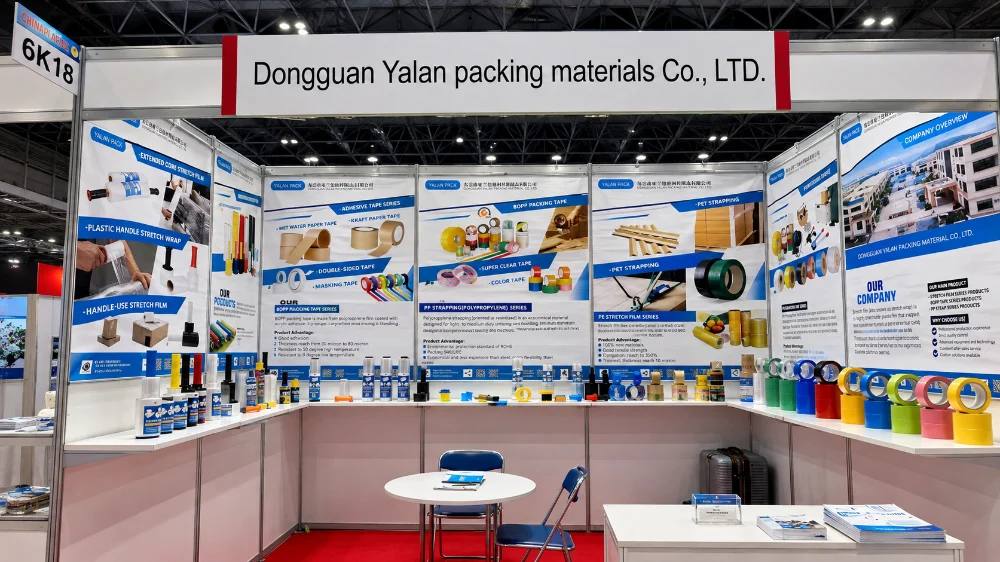
Meet YALAN Packaging in Korea: Connecting with Global Packaging Partners at K-PRINT 2026
Aug 10, 2026

When Should a Warehouse Automate End-of-Line Packaging?
Jul 29, 2026
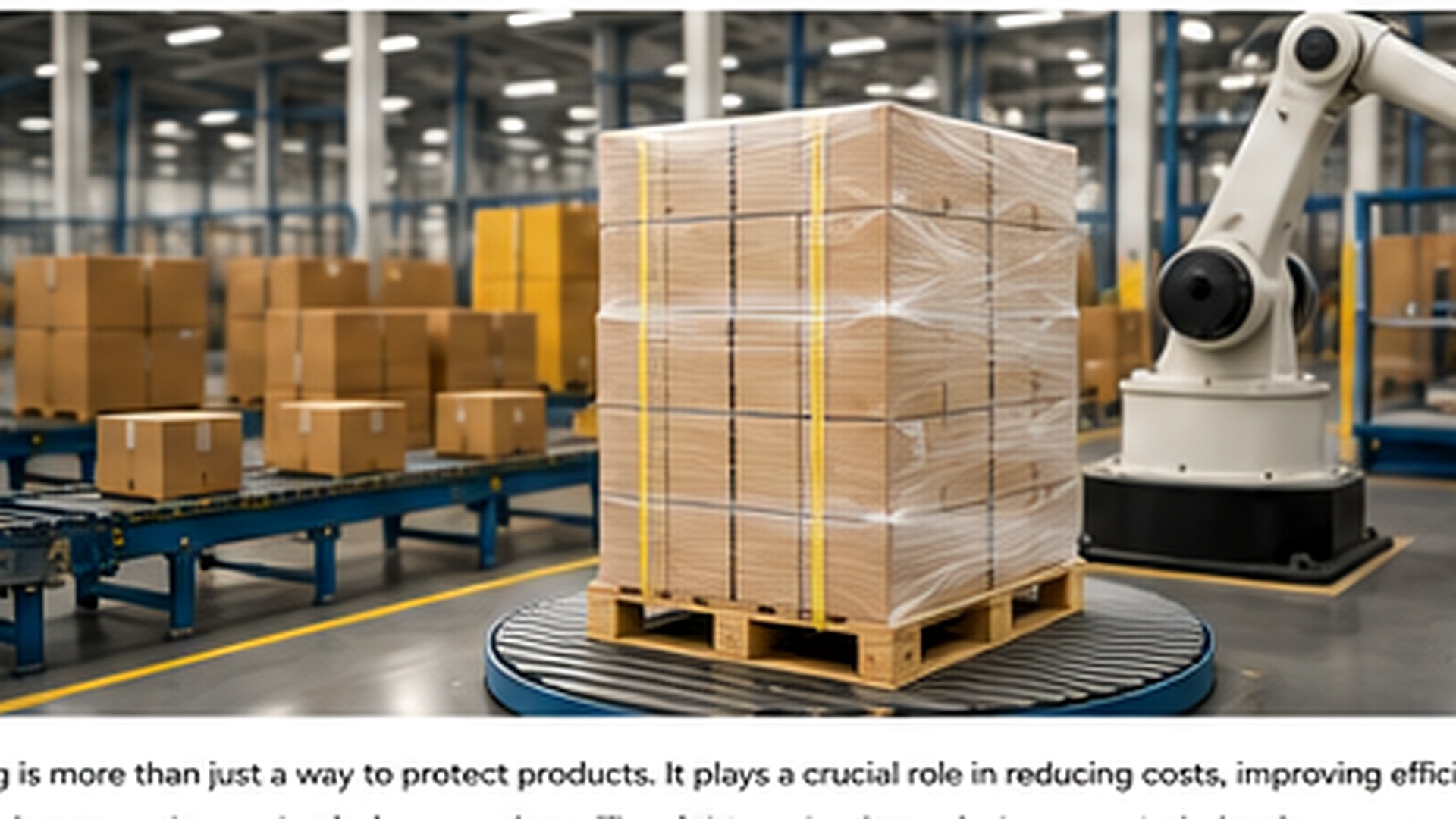
Total Packaging Cost: How to Cut Waste Without More Damage
Jul 29, 2026
Packaging Industry Trends 2026: What Buyers Should Watch
Jul 29, 2026
Stretch film vs shrink film may sound like a comparison between similar products, but the two materials work in completely different ways. Stretch film is pulled around a load and uses elastic recovery to hold products together. Shrink film is placed loosely around a product and contracts when heat is applied.
Both can protect goods from dust, handling, and moisture, yet they serve different packaging levels. Stretch film is strongly associated with pallet unitization and warehouse logistics. Shrink film is commonly used for product bundling, retail packs, bottles, trays, and sealed protective covers.
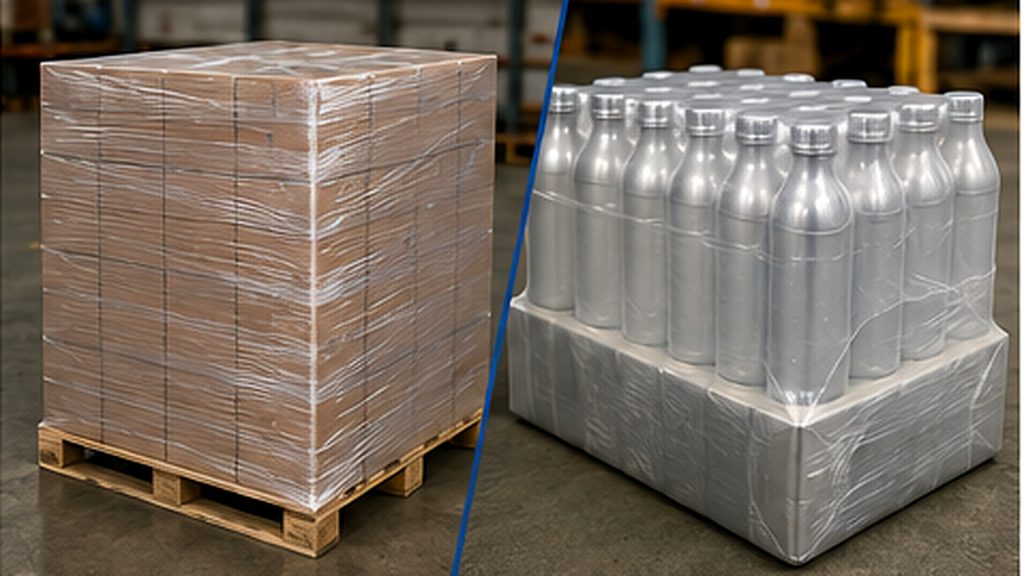
What Is Stretch Film?
Stretch film is a highly extensible polyethylene film that is wrapped under tension. As it tries to return toward its original shape, it creates holding force around the load. The film also clings to itself, allowing layers to remain together without heat or adhesive tape.
It can be applied manually with a stretch film dispenser or automatically with stretch wrapping machines. Typical uses include palletized cartons, warehouse goods, furniture, industrial products, and export loads.
What Is Shrink Film?
Shrink film is designed to contract when exposed to controlled heat. The product is first placed inside a film sleeve, bag, or wrap. Heat from a shrink tunnel or heat gun causes the film to tighten around the product.
The result can be a neat, tamper-evident, or retail-ready package. Shrink film is frequently used for grouped bottles, canned products, printed goods, trays, small machinery, and protective covers.
Stretch Film vs Shrink Film Comparison
| Feature | Stretch Film | Shrink Film |
|---|---|---|
| How it tightens | Mechanical stretching and elastic recovery | Heat causes the film to contract |
| Heat required | No | Yes |
| Primary packaging level | Pallet and transport packaging | Product and bundle packaging |
| Typical equipment | Hand dispenser or pallet wrapper | Sealer, heat gun, or shrink tunnel |
| Film behavior | Stretches and clings to itself | Forms closely around the product |
| Common applications | Pallet loads, logistics, storage | Bottles, trays, retail multipacks |
| Main operational concern | Containment force and puncture resistance | Heat control and seal quality |
Load Stabilization
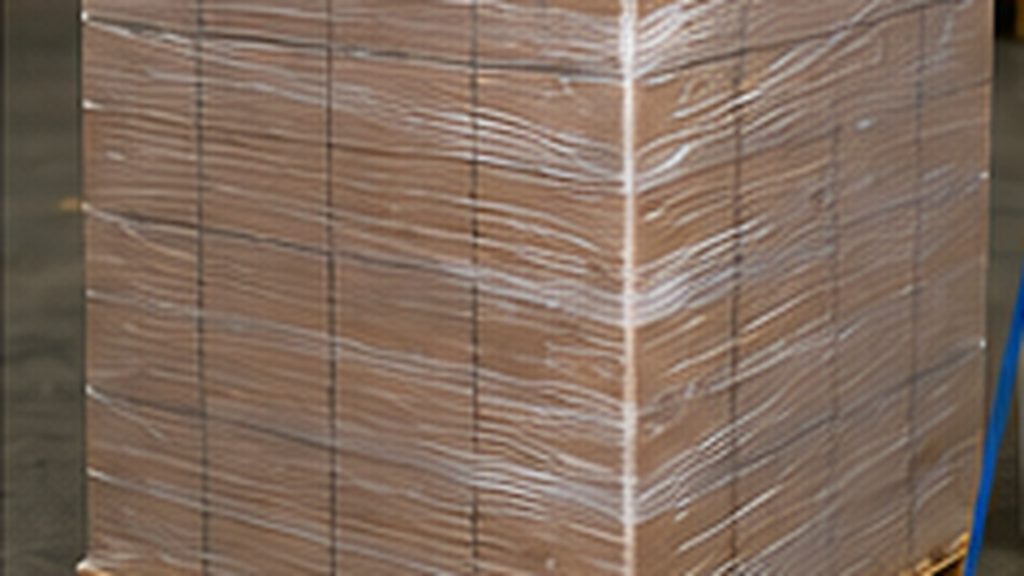
Stretch film is usually the better choice when several cartons or products must move as one palletized unit. It can connect the goods to the pallet, reinforce the lower section, and apply horizontal containment force across the load.
Shrink film can bundle goods, but it is not automatically a replacement for a properly engineered pallet-wrapping program. Large pallet shrink covers are used in some industries, yet they require suitable heating equipment and careful process control.
Product Presentation
Shrink film often produces a close, smooth package around a defined product shape. This makes it useful for retail presentation and multipacks. Printed shrink films can also carry branding and product information.
Stretch film is generally used as transport packaging rather than the final retail surface. High-clarity film can keep labels and barcodes visible while protecting the pallet, but its main function is load containment.
Equipment and Energy Requirements
Stretch film does not need heat. Manual wrapping requires only the correct roll and application tool, while machine wrapping uses electrical power for turntables, carriages, or rotating arms.
Shrink packaging requires a heat source. Small operations may use a heat gun, while production lines often use a shrink tunnel. Buyers must consider energy consumption, ventilation, operator safety, temperature settings, and the product's heat sensitivity.
Packaging Speed
Both systems can be fast when properly automated. Stretch wrapping machines are efficient for palletized loads and can apply repeatable programs. Shrink tunnels are efficient for standardized products moving through a production line.
Manual shrink work becomes slow when the operator must apply heat evenly across large surfaces. Manual stretch wrapping can also become inconsistent at high volume. The correct decision depends on whether the packaging unit is a small product, a multipack, or a complete pallet.
Film Consumption and Total Cost
Compare the complete system rather than only the roll price. Stretch film cost includes the amount used per pallet, labor, film breaks, product damage, and wrapping equipment. Shrink film cost includes film, sealing, heat energy, equipment, maintenance, and throughput.
A thin high-performance stretch film may secure a pallet using less material, but only if it is applied at the correct stretch level. A shrink film may create excellent product presentation, but poor heat control can cause holes, weak seals, or distorted packs.
Protection From Dust and Moisture
Both materials provide surface protection, although neither should automatically be treated as waterproof packaging. Stretch film can cover the sides of a pallet and, with a top sheet, reduce exposure to dust and light moisture.
Shrink film can form a close enclosure when properly sealed. For outdoor storage or severe moisture exposure, the complete packaging design should include suitable barriers, covers, drainage considerations, and edge protection.
Which Film Should You Choose?
Choose stretch film when you need to stabilize cartons or industrial goods on a pallet, protect warehouse loads, and prepare products for forklift handling or transportation. A quality hand stretch film is suitable for flexible manual wrapping, while machine film supports repetitive high-volume operations.
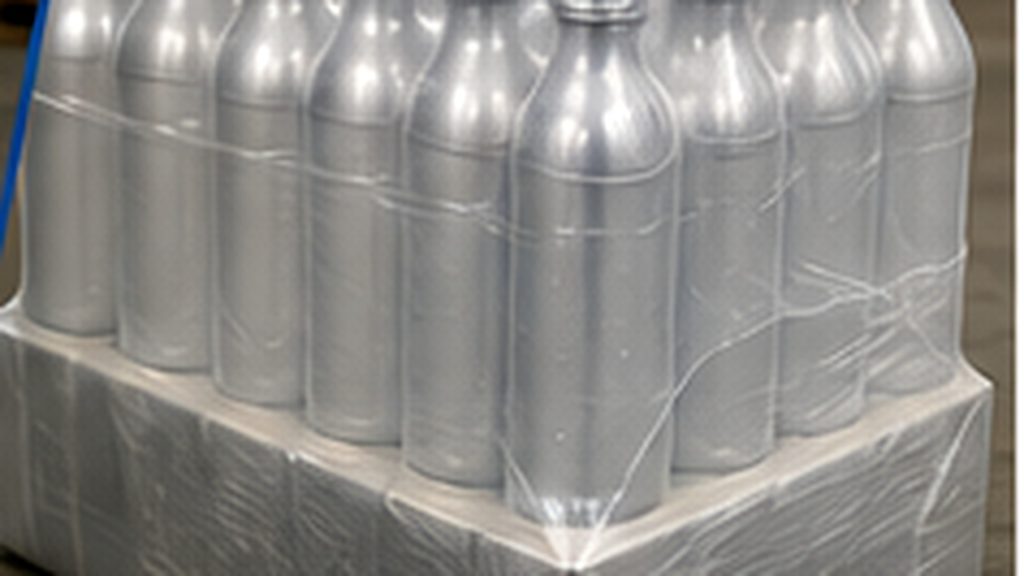
Choose shrink film when you need a tight package around a product or bundle, especially for bottles, trays, retail multipacks, or tamper-evident presentation. Confirm that the product can tolerate the required heat.
Some packaging systems use both. Products may first be shrink-bundled into trays and then placed on a pallet that is secured with stretch film. Each material performs a different job within the same supply chain.
Questions to Ask Before Buying
- Are you packaging a single product, a bundle, or a pallet?
- Is load stabilization or retail presentation the main goal?
- Can the product tolerate heat?
- What packaging speed is required?
- Will labels need to remain visible?
- What puncture, seal, and moisture risks are present?
- Which equipment is already available?
Conclusion
The main difference between stretch film and shrink film is how the material tightens. Stretch film is mechanically stretched and relies on elastic recovery. Shrink film contracts after controlled heating.
For pallet wrapping, logistics, and warehouse load stability, stretch film is generally the correct starting point. For product bundling and tight retail presentation, shrink film is often more suitable. Businesses should select the material according to the packaging unit and process rather than treating the two films as interchangeable.
For stretch-film specifications, sample rolls, or pallet-wrapping support, contact Yalan Packaging.
Frequently Asked Questions
Can stretch film shrink when heated?
Stretch film is not designed to replace shrink film. Excessive heat may damage or distort it rather than producing a controlled shrink package.
Does stretch film require a heat gun?
No. Stretch film is applied under tension and clings to itself, so no heat source is needed.
Can shrink film be used for pallet wrapping?
Pallet shrink covers exist, but they require suitable equipment and process control. Stretch film is more commonly used for everyday pallet stabilization.
Which film is better for bottles?
Shrink film is often used to create bottle multipacks. The finished bundles can then be palletized and secured with stretch film for transport.
Which option is more economical?
It depends on the application. Compare material use, equipment, labor, energy, throughput, and damage rates rather than judging only by film price.
Share on Social:


Contact Us
In This Article
Related Posts
Meet YALAN Packaging in Korea: Connecting with Global Packaging Partners at K-PRINT 2026
Aug 10, 2026
When Should a Warehouse Automate End-of-Line Packaging?
Jul 29, 2026
Total Packaging Cost: How to Cut Waste Without More Damage
Jul 29, 2026
Packaging Industry Trends 2026: What Buyers Should Watch
Jul 29, 2026


