







Cast Stretch Film vs Blown Stretch Film: Which Is Right?
By hqt
Jul, 2026Related Posts
Meet YALAN Packaging in Korea: Connecting with Global Packaging Partners at K-PRINT 2026
Aug 10, 2026

When Should a Warehouse Automate End-of-Line Packaging?
Jul 29, 2026
Total Packaging Cost: How to Cut Waste Without More Damage
Jul 29, 2026

Packaging Industry Trends 2026: What Buyers Should Watch
Jul 29, 2026
Cast stretch film vs blown stretch film is one of the first comparisons buyers face when choosing pallet wrapping material. Both products are usually made from linear low-density polyethylene, and both can protect loads during storage and transport. However, they are produced differently, behave differently under tension, and perform best in different packaging conditions.
A film that works well for neat cartons on a stable pallet may not be the best choice for metal parts, timber, irregular machinery, or loads with sharp corners. The right decision should be based on the load, the wrapping equipment, the required holding force, and the total film used per pallet—not only the price per roll.
How Cast Stretch Film Is Produced
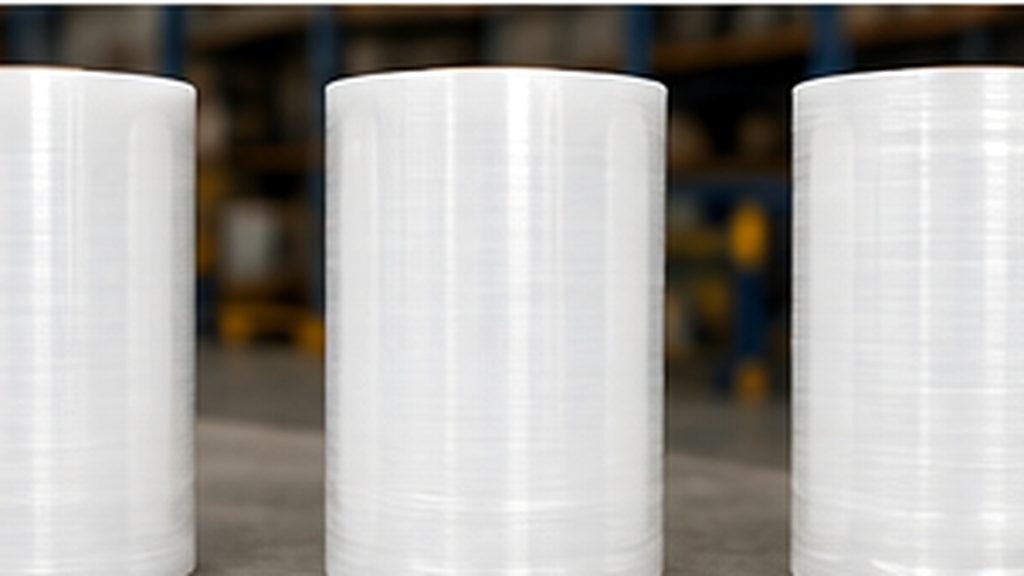
Cast stretch film is made by melting polyethylene resin and forcing it through a flat die. The film is then cooled quickly on chilled rollers. This process produces a smooth, clear film with consistent thickness and quiet unwinding.
Because the film is highly transparent, warehouse teams can read carton labels, barcodes, and handling instructions through the wrap. The controlled thickness also makes cast film practical for high-speed wrapping, especially when the load shape is regular and the wrapping settings are stable.
For manual pallet wrapping, a properly selected hand stretch film can provide good cling and load stability without requiring complicated equipment.
How Blown Stretch Film Is Produced
Blown stretch film is produced by extruding molten resin through a circular die and inflating it into a large film bubble. The material cools gradually as it moves upward before being flattened and wound into rolls.
This manufacturing method gives blown film strong tear propagation resistance and good puncture performance. It is often selected for heavy, irregular, or abrasive loads where the film may contact rough surfaces or protruding edges.
Blown film is usually less transparent than cast film and can be noisier during unwinding. These characteristics may not matter for heavy industrial packaging, but they can affect operator comfort and label visibility in busy warehouses.
Cast Stretch Film vs Blown Stretch Film Comparison
| Feature | Cast Stretch Film | Blown Stretch Film |
|---|---|---|
| Clarity | High transparency | More hazy appearance |
| Unwinding noise | Quiet | Generally louder |
| Thickness consistency | Very consistent | May vary slightly more |
| Puncture resistance | Good for regular loads | Strong for rough or irregular loads |
| Tear behavior | Can propagate after a puncture | Better resistance to tear propagation |
| Cling | Strong and consistent | Strong, depending on formulation |
| Typical use | Cartons, warehouse pallets, machine wrapping | Industrial goods, sharp edges, heavy loads |
Clarity and Label Visibility
Cast film is usually preferred when product identification matters. Distribution centers often need to scan barcodes or confirm carton markings without removing the film. The clear surface also gives finished pallets a clean appearance for retail and export shipments.
Blown film is more opaque. For some industrial loads, this is not a disadvantage because protection is more important than presentation. Buyers should decide whether visibility through the wrapped pallet is part of the operating requirement.

Puncture Resistance and Load Shape
The shape of the load is often more important than its total weight. A pallet of evenly stacked cartons places smooth pressure on the film. A pallet containing metal components, timber, pipe fittings, or uneven packages creates concentrated stress points.
Blown film is often more forgiving around rough or irregular surfaces. Cast film can still work effectively when the load is protected with paper edge protectors, corner boards, or additional reinforcement at high-stress points.
Stretch, Recovery, and Load Retention
Stretch percentage alone does not determine packaging performance. The film must also recover after stretching and maintain enough containment force to hold the load together. A film that stretches easily but relaxes too much may allow cartons to move during transportation.
Cast film offers predictable stretch and is well suited to controlled wrapping programs. Blown film may require more pulling force, but it can provide reliable holding performance for difficult loads. When comparing samples, test both films on the same pallet using the same wrapping pattern.
Hand Wrapping and Machine Wrapping
Cast film is widely used with manual dispensers and wrapping machines because it unwinds smoothly. A good stretch film dispenser helps operators maintain even tension while reducing hand fatigue.
For higher-volume production, film must match the pre-stretch system and tension controls of the machine. Buyers using stretch wrapping machines should provide the supplier with machine type, pre-stretch ratio, wrapping speed, and load profile before approving a film.
Which Film Is More Cost-Effective?
The lower roll price is not always the lower packaging cost. A useful comparison measures film weight per pallet, damaged-load rate, operator time, roll changes, and film breaks. Cast film can provide excellent yield on stable loads because of its consistent gauge and smooth processing. Blown film may reduce failures on difficult loads where punctures are the main problem.
Run a controlled trial on several representative pallets. Record the number of wraps, film weight consumed, load stability, and any breakage. This produces a far more reliable decision than comparing roll weight alone.
How to Choose Between Cast and Blown Film
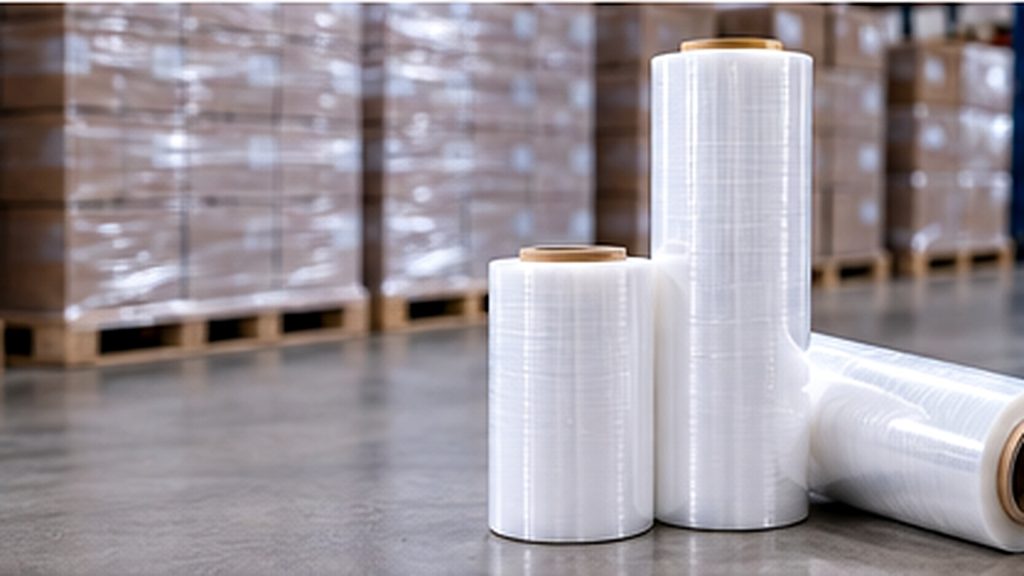
Choose cast stretch film when your priorities are clarity, quiet unwinding, consistent thickness, and efficient wrapping of regular loads. Choose blown stretch film when you need higher resistance to puncture and tear propagation on heavy or irregular products.
Some businesses use both. Cast film may be the standard material for cartons and warehouse distribution, while blown film is reserved for demanding industrial loads. This avoids paying for unnecessary performance on easy loads while still protecting difficult shipments.
Conclusion
There is no universal winner in the cast stretch film vs blown stretch film comparison. Cast film is often the practical choice for clear, quiet, consistent wrapping. Blown film is valuable when rough surfaces and concentrated stress create a higher risk of puncture.
The best film is the one that delivers stable pallets with the lowest total material and damage cost. Before placing a bulk order, test the film on your actual load and confirm the correct width, thickness, roll weight, core size, and wrapping method. For customized specifications or sample evaluation, contact the Yalan Packaging team.
Frequently Asked Questions
Is blown stretch film stronger than cast stretch film?
Blown film generally offers better puncture and tear propagation resistance. Cast film can still provide excellent load holding on regular pallets when the correct gauge and wrapping pattern are used.
Which stretch film is clearer?
Cast stretch film normally has higher clarity and gloss, making it easier to read labels and barcodes through the wrapped load.
Is cast film suitable for heavy pallets?
Yes, provided the film specification and wrapping method match the load. Sharp corners may require edge protection or a higher-performance film.
Why is blown stretch film noisier?
The blown-film production structure creates more resistance as the layers unwind. The sound is normal and does not indicate poor quality.
Can cast and blown films be used on the same wrapping machine?
Possibly, but machine settings may need adjustment. Confirm the pre-stretch ratio, tension range, film width, and roll dimensions with the supplier before use.


Contact Us
In This Article
Related Posts
Meet YALAN Packaging in Korea: Connecting with Global Packaging Partners at K-PRINT 2026
Aug 10, 2026
When Should a Warehouse Automate End-of-Line Packaging?
Jul 29, 2026
Total Packaging Cost: How to Cut Waste Without More Damage
Jul 29, 2026
Packaging Industry Trends 2026: What Buyers Should Watch
Jul 29, 2026


