







What Packaging Materials Are Needed for Ocean Freight?
By hqt
Oct, 2026Related Posts
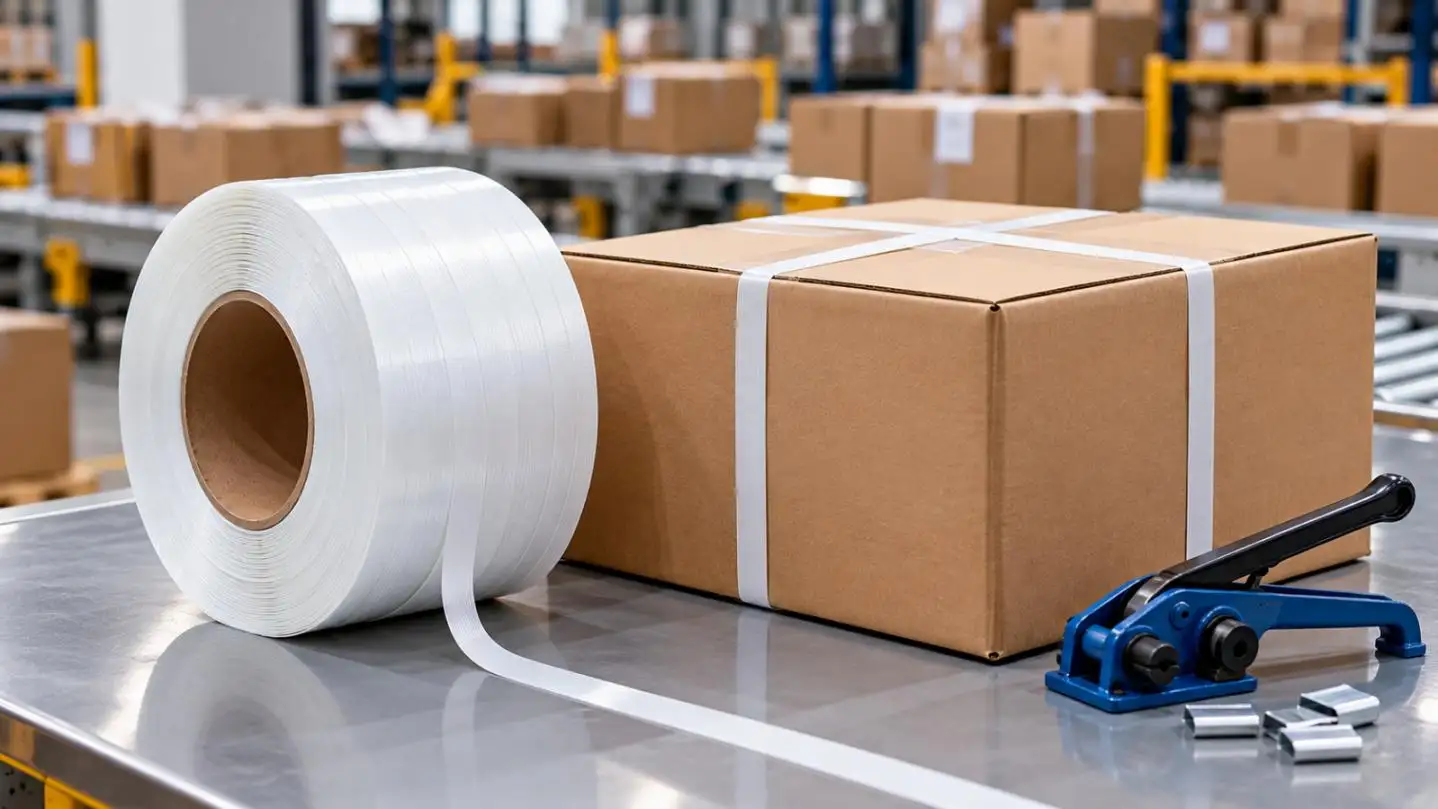
PP Strapping for Cartons: Packaging Challenges in E-Commerce Logistics
Oct 21, 2026
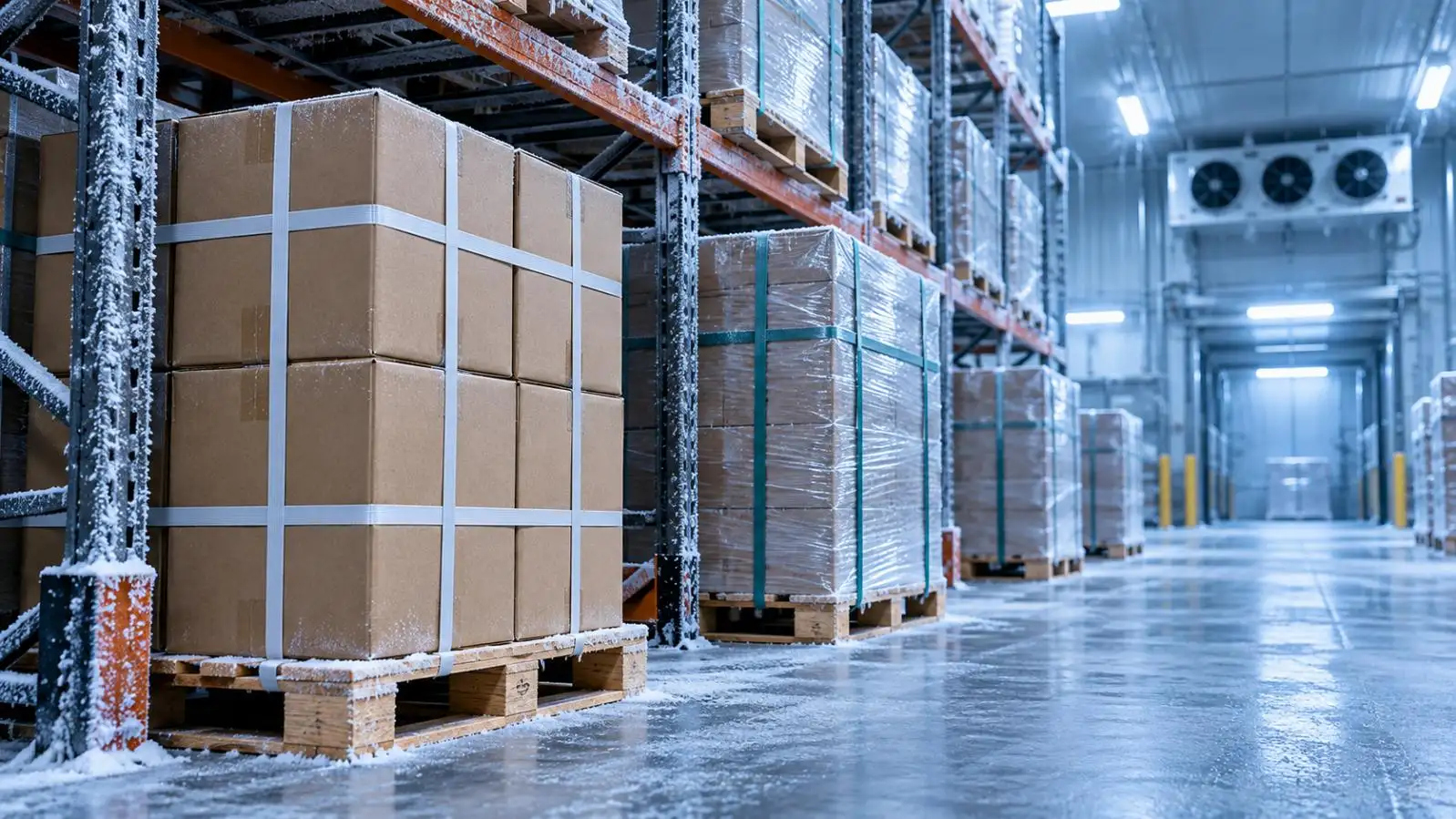
Polypropylene Strapping Under Temperature Changes: Effects on Packaging Performance
Oct 21, 2026
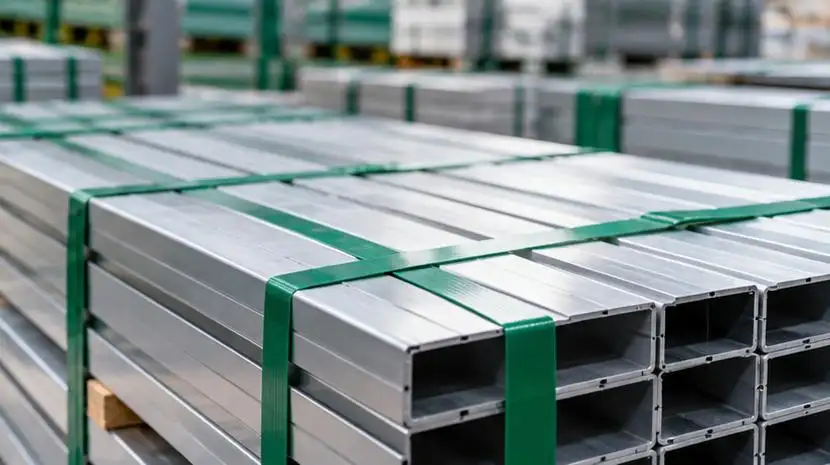
PET Strapping Supplier: Heat-Seal Joint Strength and Sealing Reliability
Oct 21, 2026
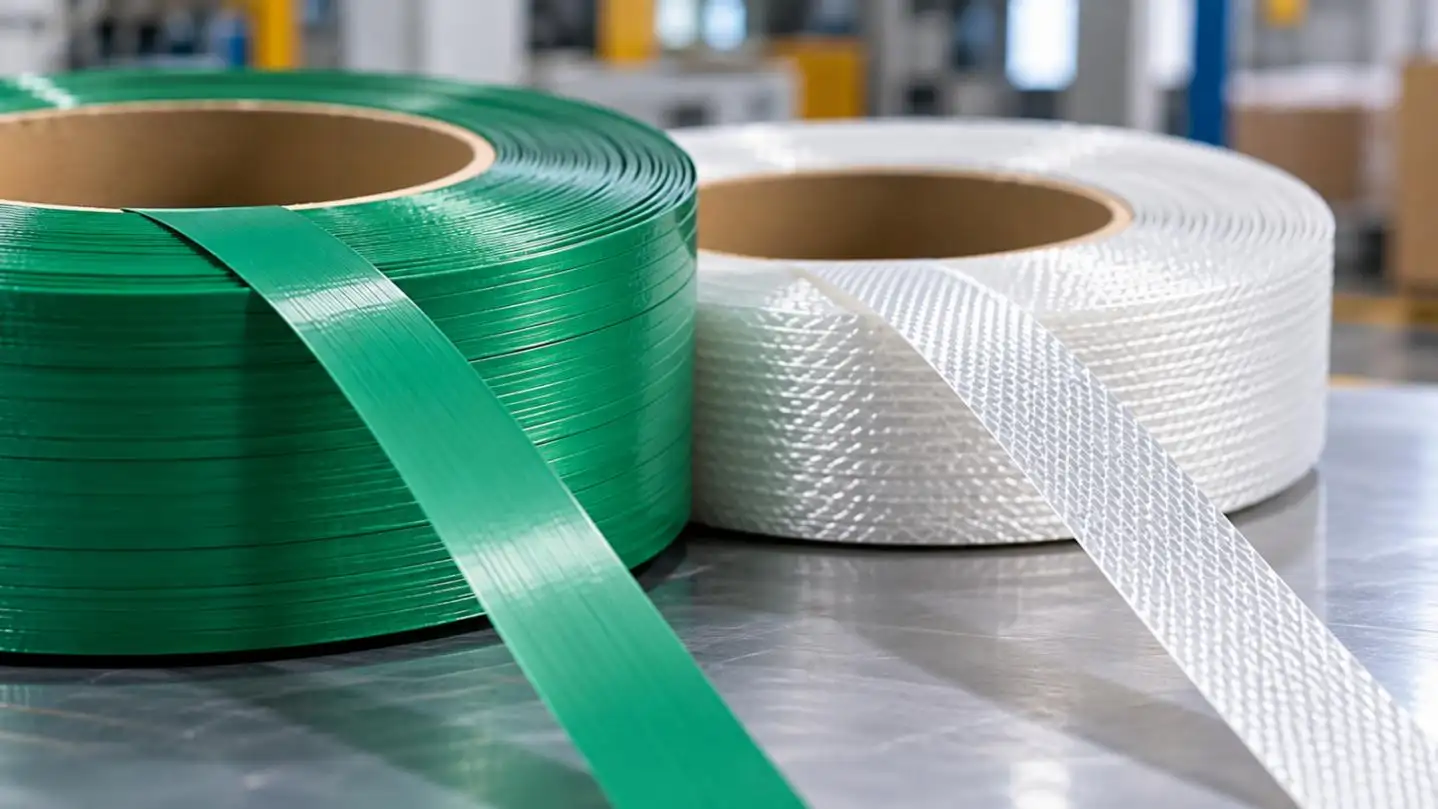
PP Strapping Supplier Guide: Smooth vs Embossed Strapping for Automated Packaging
Oct 21, 2026
Sea freight packaging typically requires sturdy cartons or other suitable outer packaging, reliable sealing materials, pallet protection solutions, stretch wrap, and—as needed—strapping and edge protectors. Depending on the nature of the cargo, moisture-proof materials and container cargo securing accessories may also be added.
The choice of packaging combination depends on the product's weight, shape, fragility, moisture resistance requirements, and handling conditions. A proper sea freight packaging solution ensures effective protection for both individual items and the entire shipment throughout the entire process—from container loading and long-distance transport to final unloading.
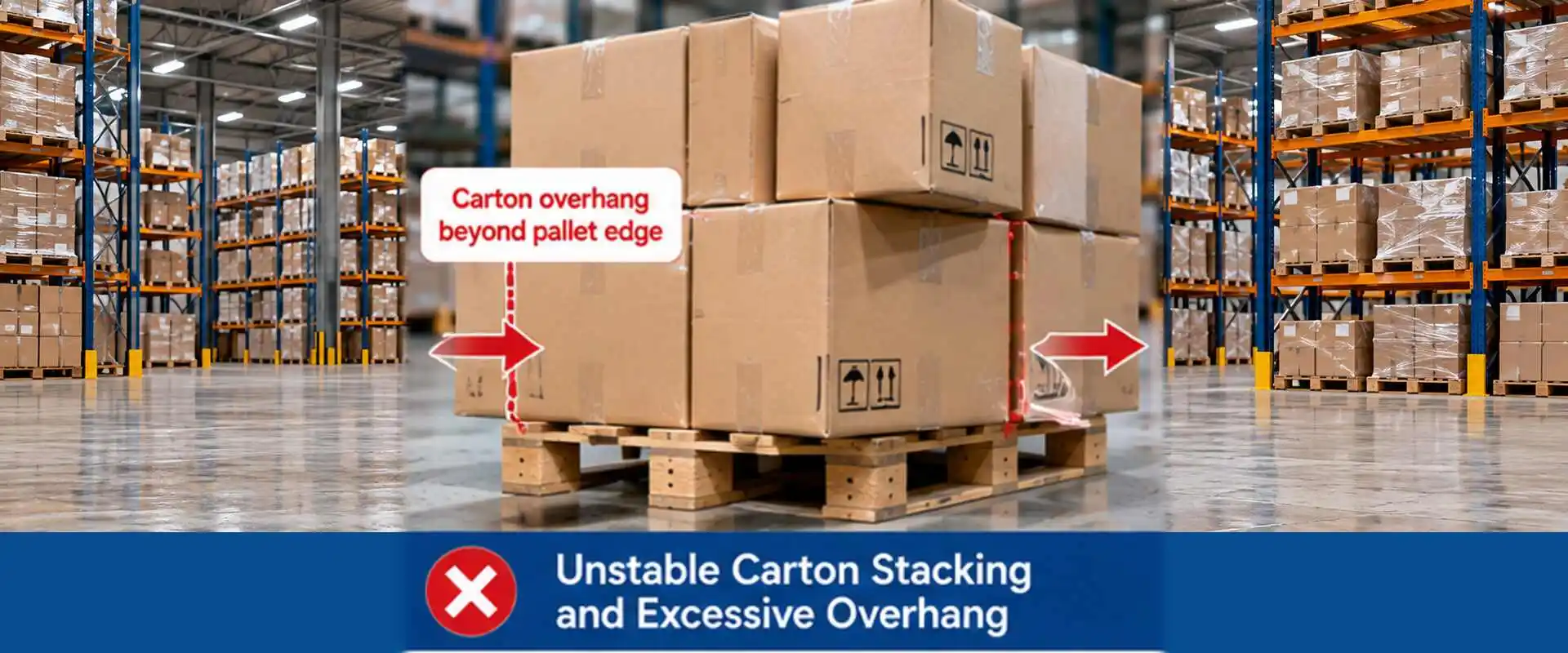
1. Corrugated Cartons: The Foundation of Export Packaging
Corrugated cartons are the most common form of outer packaging for sea freight.
They primarily serve to contain goods, provide structural support for stacking, and protect products during loading and unloading.
However, not all corrugated cartons are suitable for export via sea freight.
Selecting the right carton strength requires considering factors such as the product's weight, stacking height, storage environment, and anticipated transport conditions.
For instance, cartons at the bottom of a pallet must withstand the immense pressure exerted by the goods stacked above them.
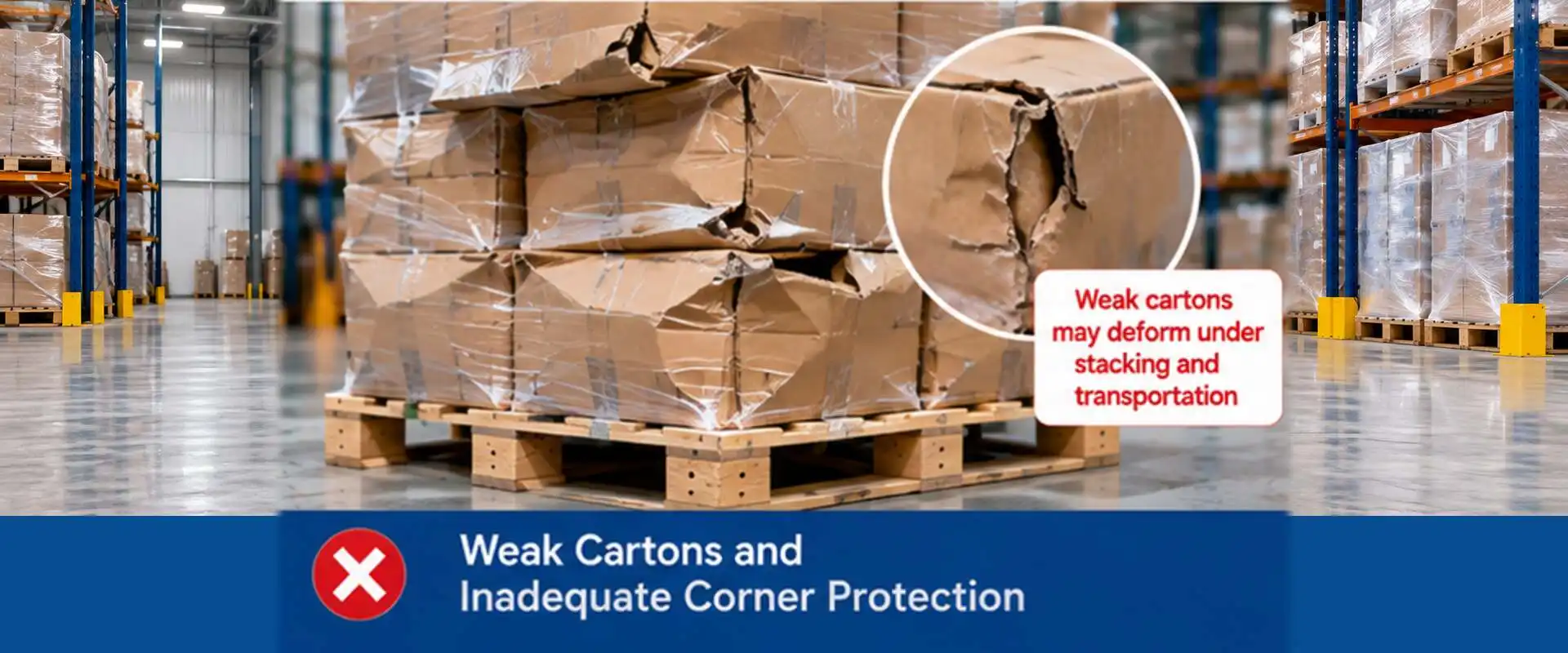
Moisture significantly compromises the performance of corrugated cartons; this issue becomes particularly acute during prolonged storage or transport through high-humidity environments.
Therefore, when purchasing cartons, one should not simply compare dimensions and unit prices; it is also essential to evaluate the box structure, board quality, and compressive strength.
Fragile goods also require internal cushioning materials or dividers.
While sturdy outer packaging forms the foundation of the packaging system, it cannot replace the need for pallet reinforcement and internal container cargo securing.
2. BOPP Sealing Tape: Ensuring Secure Carton Sealing
Sealing the carton is a critical step in sea freight packaging.
Before palletizing and shipping, corrugated cartons are typically sealed using BOPP sealing tape.
The effectiveness of the seal is not determined solely by the tape's width and thickness.
Factors such as the adhesive formula, the carton's surface material, the application pressure, and the storage environment all influence the stability of the seal. Water-based acrylic adhesive and hot-melt adhesive are the two mainstream adhesive systems for BOPP carton sealing tape.
Acrylic tape is commonly used for standard carton sealing, offering a balance of adhesion and aging resistance.
Hot-melt tape is characterized by high initial tack and rapid bonding capabilities. However, one should not assume that any single adhesive type is universally compatible with all carton materials or performs consistently across all temperature ranges.
For ocean freight, buyers should select tape based on factors such as the carton surface, storage environment, and handling conditions.
Yalan Pack offers BOPP carton sealing tapes in various widths, lengths, and thicknesses, featuring different adhesive systems and options ranging from clear to custom-printed designs.
Before bulk purchasing, it is recommended to conduct compatibility tests using the actual cartons intended for use.
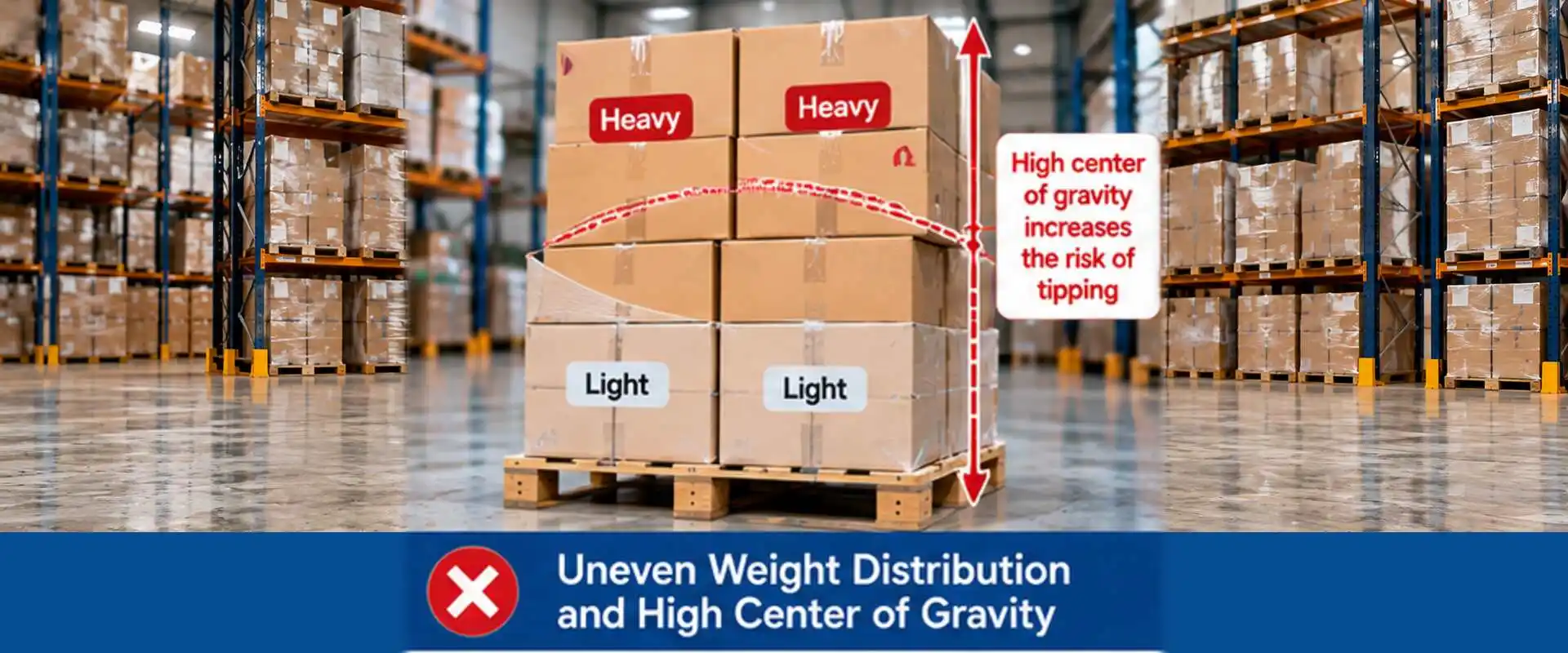
3. Stretch Wrap: Securing Palletized Loads
Stretch wrap is one of the most commonly used materials for palletized unit load packaging.
It tightly wraps cartons and goods together, creating a stable, unified load for warehouse handling and transportation.
Hand-grade stretch wrap is suitable for manual packaging, while machine-grade wrap is designed for use with fully automatic pallet wrapping equipment.
Common market specifications for film thickness include 15, 17, 20, and 23 microns; the specific choice depends on actual packaging requirements.
A heavier pallet load does not necessarily require a thicker film.
Factors such as load height, carton stacking patterns, sharp edges, film properties, and wrapping tension all determine the stability of the wrapped load.
Ocean freight demands greater consistency in the wrapping process, as goods undergo multiple handling stages and continuous vibration during transit.
Wrapping operations must ensure the load is securely anchored at the base, with overlap rates and reinforcement points adjusted as needed.
However, stretch wrap should not be considered a completely waterproof barrier, nor can it replace internal container-based pallet securing measures.
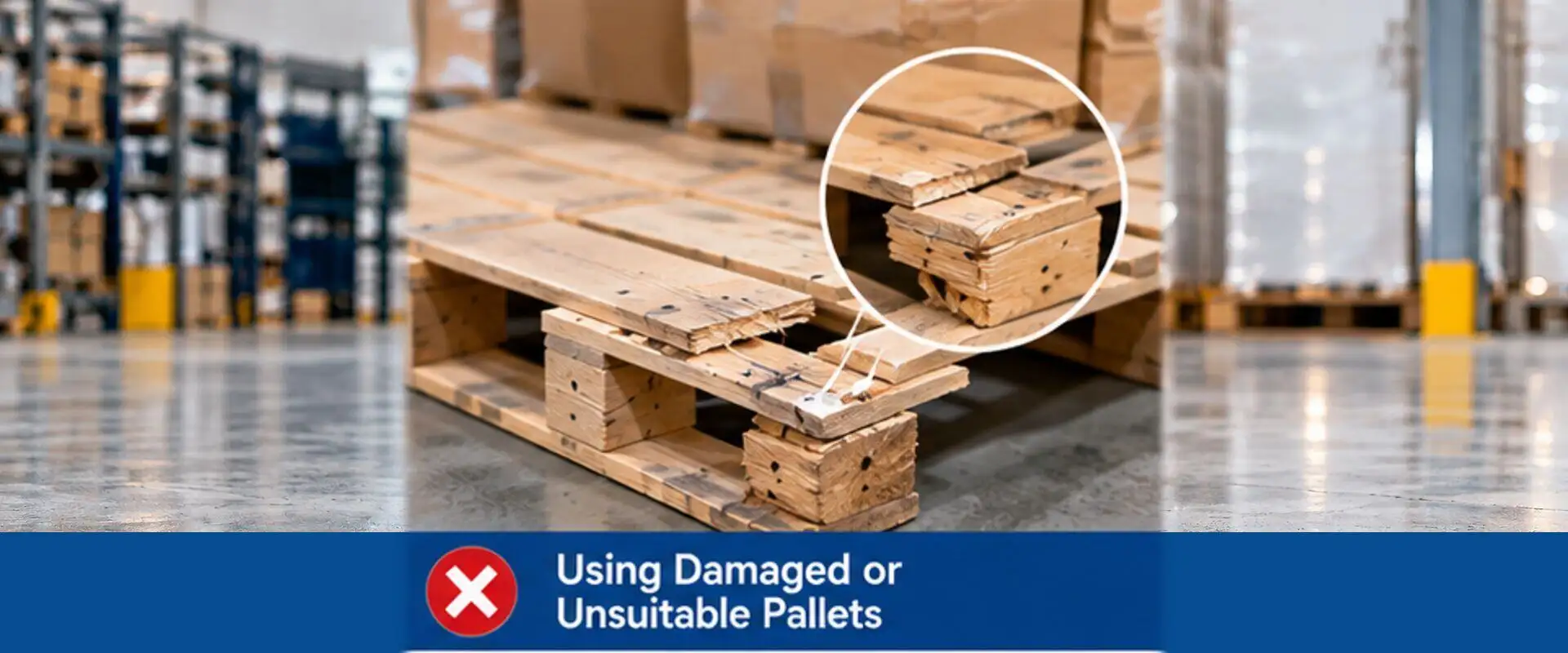
4. PP and PET Strapping: Providing Additional Reinforcement
When stretch film alone is insufficient to stabilize a load, strapping is required.
PP (polypropylene) strapping is commonly used for cartons, small bundles, and lightweight loads.
PET (polyester) strapping offers higher tensile strength, making it suitable for heavy palletized loads and industrial products, such as construction materials and wood products.
Selection should not be based solely on the total weight of the pallet.
Buyers must consider factors such as strap width, thickness, breaking strength, tensioning force, joint strength, and the strapping pattern.
The actual strength of a finished strap loop may be lower than the nominal breaking strength specified for a single strap.
Additionally, the strapping must be compatible with the manual or fully automatic strapping equipment being used.
While using an appropriate strapping system enhances the stability of export cargo, proper stacking and internal container bracing remain essential.
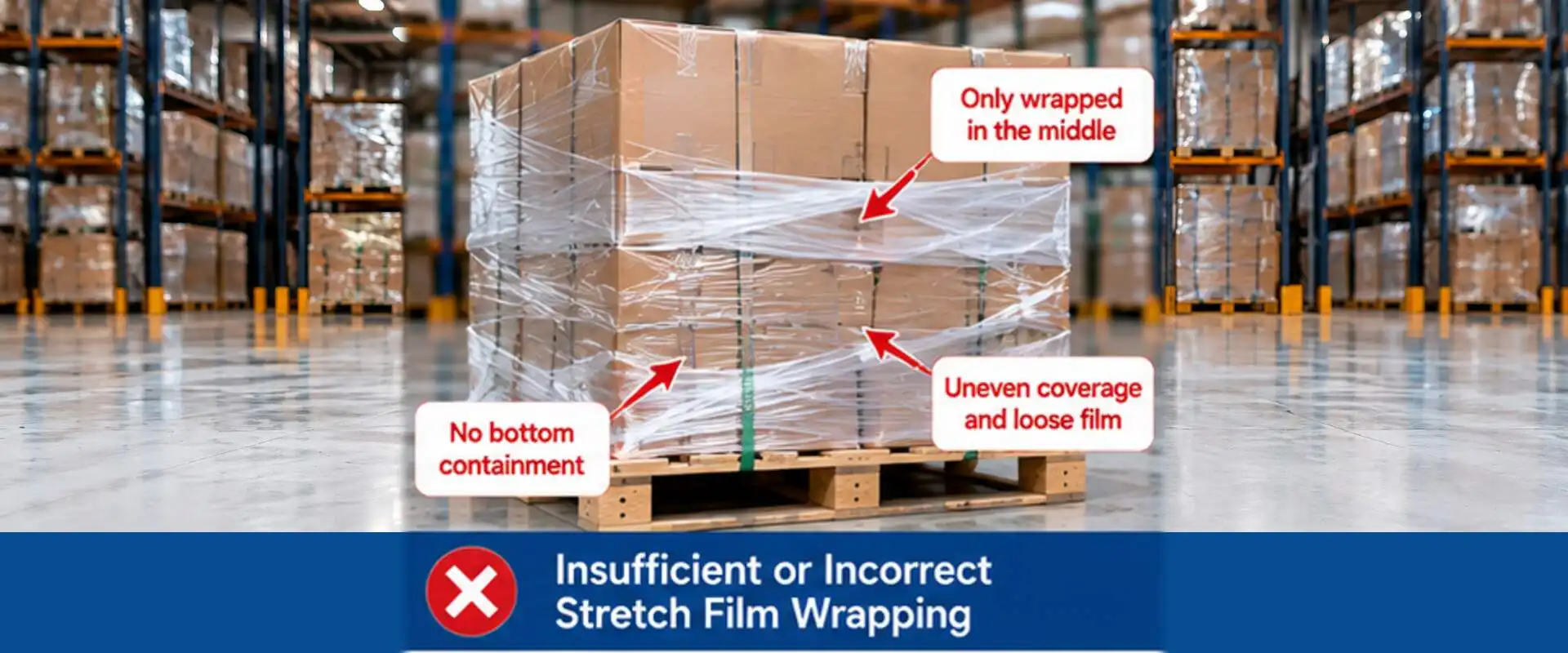
5. Paper Edge Protectors: Minimizing Damage from Edges and Strapping
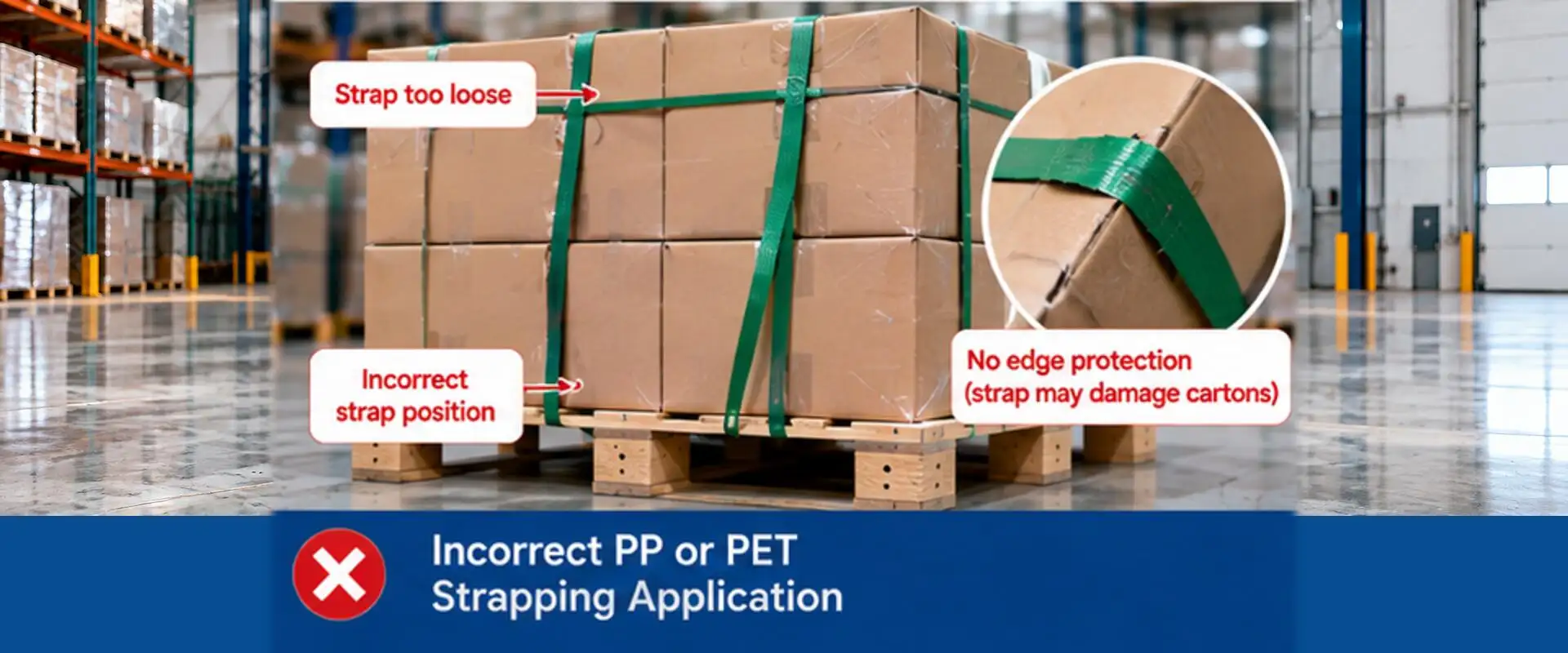
Paper edge protectors (also known as edge boards or angle boards) provide extra protection for palletized goods.
Typically installed on pallet corners or other vulnerable edges, they serve to alleviate localized pressure on cartons, distribute tension from strapping, and reinforce the overall packaging structure.
For instance, securing fragile carton edges directly with PET strapping often leads to deformation or localized damage.
Appropriate paper edge protectors, however, distribute pressure evenly across a larger surface area.
They also provide a smoother surface for stretch film wrapping.
However, the dimensions and strength of the edge protectors must match the specific application.
Buyers should verify the required length, leg width, thickness, and material properties.
It is important to note that paper edge protectors cannot compensate for insufficient carton compressive strength or unstable pallet design; they are most effective when utilized as part of a comprehensive packaging system.
6. Moisture Protection: Managing Humidity Fluctuations During Sea Freight
During ocean transport, cargo is frequently exposed to fluctuating temperatures and humidity levels.
Under certain conditions, temperature differentials can cause water droplets—condensation—to form on container surfaces or packaging materials.
Consequently, moisture-sensitive products often require additional protective measures beyond standard carton sealing and pallet wrapping. Depending on the nature of the cargo, moisture protection options include moisture-resistant packaging, protective liners, barrier bags, desiccants, and other humidity control materials.
Specific solutions should be determined based on the product's moisture sensitivity, transit duration, container condition, and the climatic conditions expected along the route.
While stretch wrap helps shield against dust and surface contact, standard pallet stretch wrap should not be considered a complete moisture barrier.
Similarly, the performance of paper-based packaging materials in the anticipated humidity environment should also be evaluated.
For moisture-sensitive cargo, packaging design must address both external moisture ingress and the risk of internal condensation.
7. Cargo Securing Within the Container: Preventing In-Transit Shifting
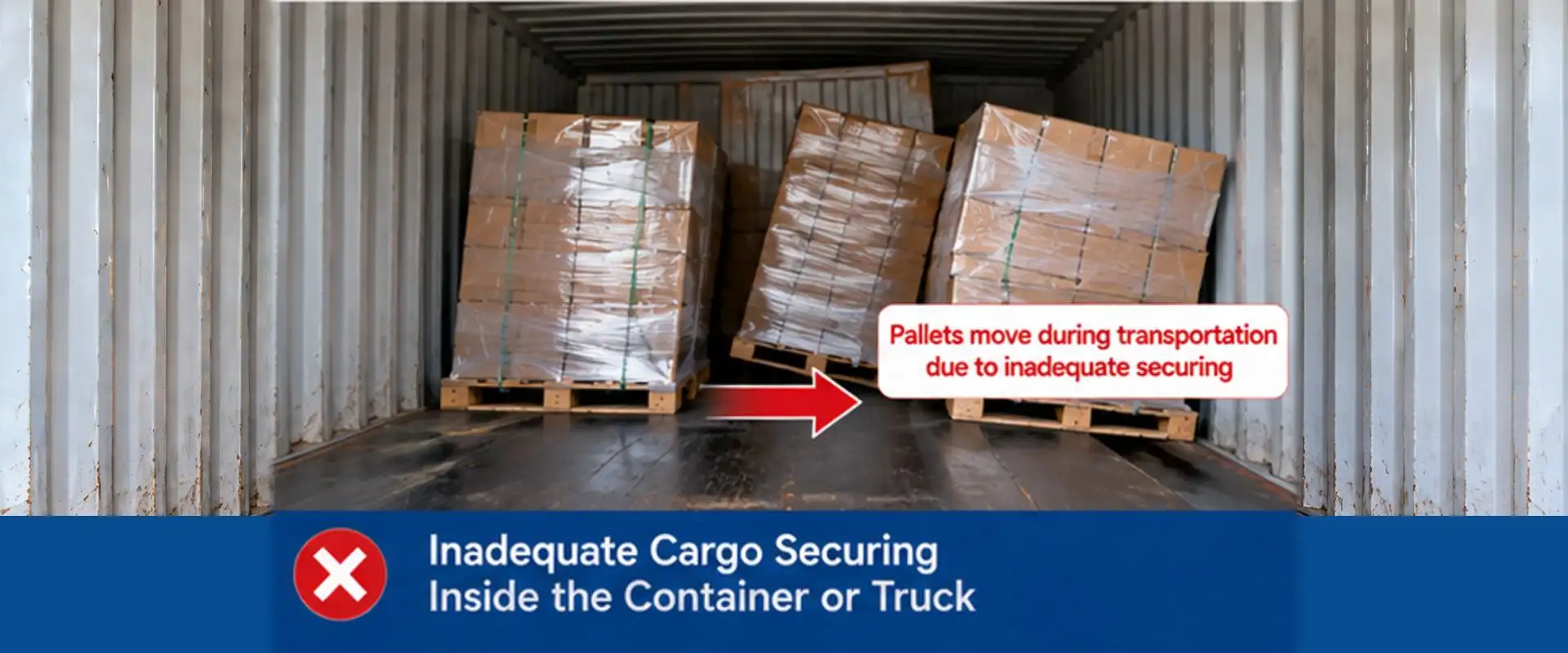
Even when individual pallets are properly wrapped and strapped, additional measures to secure the cargo within the container are often essential.
While stretch wrap and pallet strapping help stabilize goods on the pallet, they do not automatically prevent the entire pallet from shifting inside the container.
During ocean transport and subsequent road transshipment, cargo is subjected to various forces, including acceleration, braking, vibration, and shifting.
Depending on the specific cargo, securing methods may include blocking, bracing, lashing, or other appropriate restraint systems.
Loading layouts must also account for weight distribution, cargo dimensions, and the container's own limitations.
For instance, leaving excessive unsupported gaps between pallets without additional restraints can easily lead to cargo shifting.
Exporters should adhere to relevant cargo securing standards and implement appropriate loading plans tailored to the specific cargo. Properly packaged pallets are just one part of safely loading a shipping container.
How should exporters select suitable packaging materials?
The most effective approach is to match packaging materials to the specific risks the actual cargo will face during transport.
| Packaging material | Main purpose | When to consider it |
| Corrugated cartons | Product containment and stacking support | Carton-packed products |
| BOPP packing tape | Carton sealing | Sealed corrugated cartons |
| Stretch film | Pallet unitization and stability | Palletized shipments |
| PP/PET strapping | Additional load restraint | Loads requiring strapping |
| Paper edge protectors | Corner protection and pressure distribution | Vulnerable edges or strapped pallets |
| Moisture-control materials | Protection against moisture-related risks | Moisture-sensitive products |
| Cargo-securing materials | Restraint inside the container | According to the container loading plan |
For instance, shipping lightweight consumer goods typically requires only suitable cartons, high-quality BOPP sealing tape, and stretch wrap.
In contrast, heavier industrial products require additional reinforcement and protection using PET strapping and paper edge protectors.
Goods susceptible to moisture damage require the addition of moisture-barrier bags or other moisture-proofing measures.
Yalan Pack supplies stretch wrap (for both manual and machine application), BOPP sealing tape, PP/PET strapping, and paper edge protectors tailored for industrial and export packaging needs.
Buyers planning sea shipments should prepare key information, including product category, carton specifications, pallet load weight, stacking configuration, destination, and anticipated shipping conditions.
The core approach to product selection is to consider the various packaging materials as an integrated system, rather than sourcing each item in isolation.
A reliable sea-freight packaging solution relies on effective product protection, stable pallet stacking, appropriate moisture-proofing, and secure cargo bracing within the container.


Contact Us
In This Article
Related Posts
PP Strapping for Cartons: Packaging Challenges in E-Commerce Logistics
Oct 21, 2026
Polypropylene Strapping Under Temperature Changes: Effects on Packaging Performance
Oct 21, 2026
PET Strapping Supplier: Heat-Seal Joint Strength and Sealing Reliability
Oct 21, 2026
PP Strapping Supplier Guide: Smooth vs Embossed Strapping for Automated Packaging
Oct 21, 2026


