







Industrial PET Strapping for Pallet Loads From Packing to Delivery
By hqt
Nov, 2026Related Posts

Manual PP Strapping: How to Get Consistent Results at a Packing Bench
Nov 13, 2026

PET Strapping Roll Replacement Guide for Warehouse Buyers
Nov 13, 2026

Industrial PET Strapping for Pallet Loads From Packing to Delivery
Nov 12, 2026

How to Build a Shared PP Strapping Range With a Polypropylene Strap Manufacturer
Nov 12, 2026
The bands on a pallet of boxed building panels are snug when the pallet is packed. The package is at the receiving dock and the top edge is moved, with one corner of packaging crushed. It is possible the strap is still in place. The question is: "What happened between pack and delivery and what should the packaging have accomplished to control it?
Industrial PET strapping is a piece of the solution. The task of the industrial packaging engineer, dispatch supervisor, and exporter is to create a pallet that can be easily handled at each point of transfer. First, find out what the load is, the route it is going to follow, then determine what each piece of strap, edge protection and stretch film are required to accomplish.
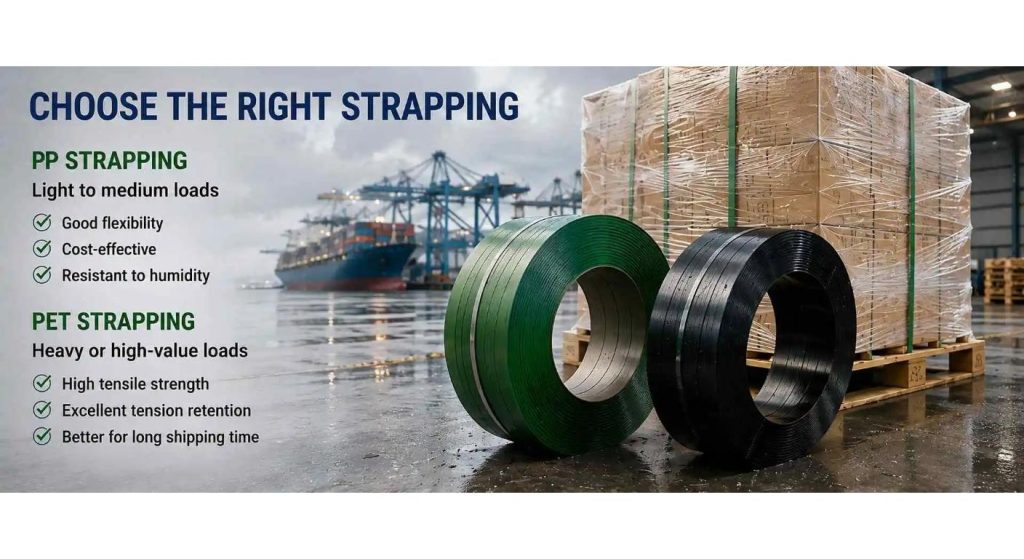
Draw the Strap Pattern after Mapping the Handling Route.
Trace a typical pallet from the packing area to the staging area, loading area and receipt. Mark the location of where it is to be lifted, turned, stored or transferred. The sequence is different for a pallet that goes to a nearby customer versus one that is in a staging area and moves through a number of terminals. Determine the actual route to determine where to test the pack to which conditions the packaging must withstand.
Know where the strap has to move to control the movement. Boxed panels might get stacked one on top of the other and a stack of dense component cartons might crush at the bottom. Different results will be achieved on these two loads with the same strap pattern. When there is a recurring damage report for one face or one height on the pallet, check the packing pattern and handling route against that damage location.
Apply the route in order to discover surfaces of significance to the customer. A panel can be undamaged and the face of the carton it was packaged in for retail sale can be marked. When it comes to receipt, consider the face and include its state in the trial criteria.
Construct a Load the Strap Can Holder
Begin with a pallet that is in good condition, along with an arrangement that will enable the product to be supported. Before strapping: Check for the load is balanced, cartons are flat and that there is no unsupported overhang. A band exerts tension on the surfaces it is in contact with. Tightening it will change the shape of the package, but does not provide control if it traverses a gap or applies to a weak carton flap.
Accept the pack design based on the decision as to whether the straps should bind the products together or attach the load to the pallet. Mark each strap path on the load that has been assembled. If the design requires a load-to-pallet connection, verify that the connection loads the pallet and is not in the way of intended fork entry. Ensure the strap is flat along the surface that is in contact with the package and out of the way at any exposed edges.
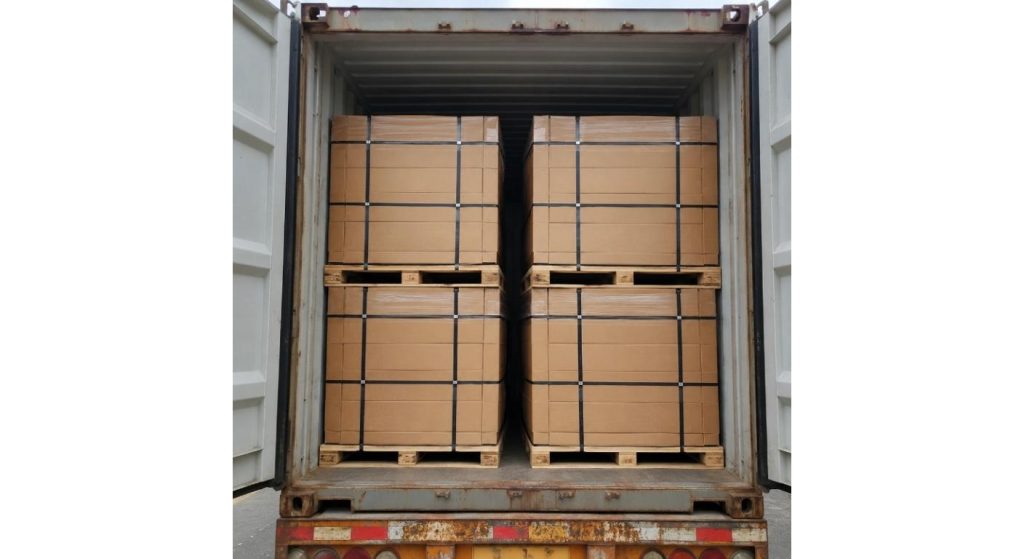
Protect edges and apply film to various purposes
Use heavy-duty corner boards to protect a carton or panel edge from the force that would be applied by the strap at a corner. Be sure each protector overlaps the bearing surface and is aligned during application of the band. A corner board can further prevent strap marks on the exposed packaging edge on boxed panels. The board may move when applying, so the position of the board needs to be fixed before determining whether the strap grade can be used.
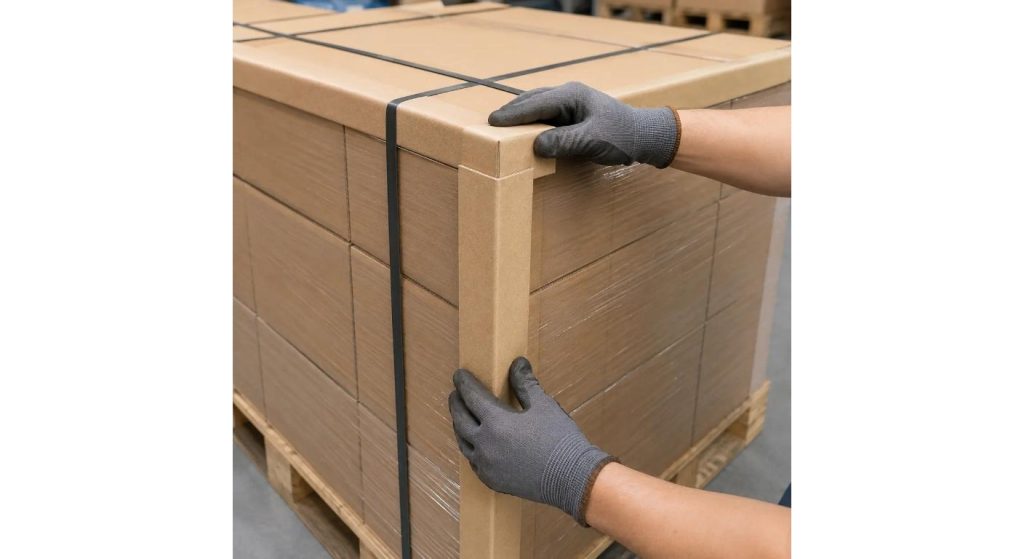
If you make a repeat order test the protector's fit in the pack with the new pack height. The height of different products of the same size may expose the top bearing surface on a taller version of the same size even though a board has been approved for one configuration.
Where it is necessary to have a flexible containment around the sides of the load, such as small cartons moving between bands, use stretch film. Determine the sequence of placement and inspection of packers to install the strap and protectors before they are covered with film. Take a photo of the strap path prior to the wrap, if you cannot easily see it afterwards. That image aids receiving staff to compare a moved package with how the package left the station.
Match PET Application to Packing Station
Yalan is a PET hand strapping supplier for manual industrial bundling, and PET machine strapping for compatible automatic and semi-automatic systems. It has a strapping range, which is manufactured with the help of equipment that extrudes and embosses. A handheld system that is compatible may be useful for changing load sizes or if a packing area is located remotely. To reduce the risk of having to re-approve a pack for repeated pallet builds, ensure that the machine grade is matched to the coil holder, feed path and joining system that allows the pallet to be built at the required pace.
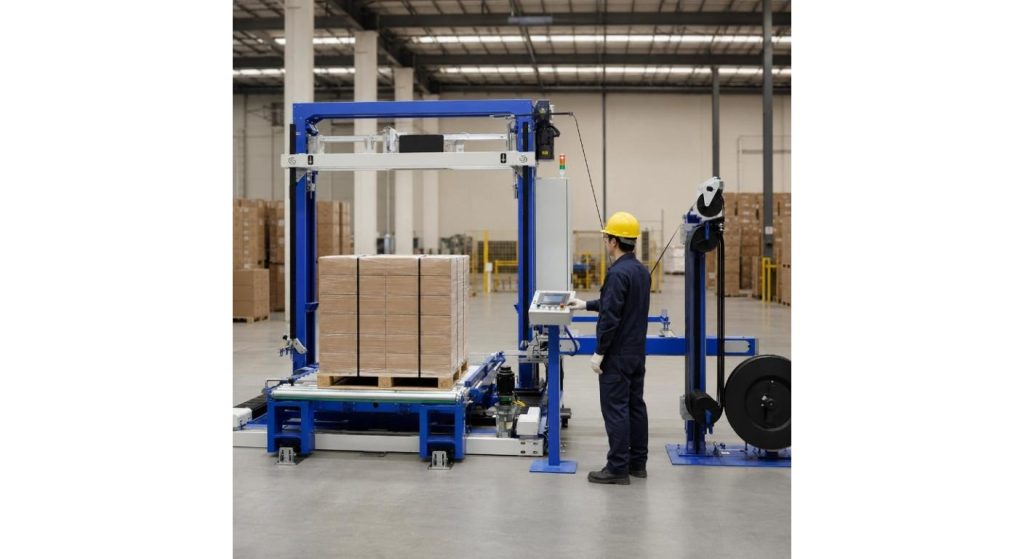
Prioritize the parameters and requirements of the straps, the setting of the application and the joint conditions before sending production loads. Select settings that do not crush the packaging of the load, and test the joint created by the actual jointing tool/machine. No amount of strip will be able to salvage a weak bearing surface or a badly shaped joint. When changing things, do so with the same load set-up so the effect of the change is identifiable.
Ensure Package is verified at Handover Points
Record pack immediately after application and following representative staging and routine handling. Watch for variations of the load, strap and edge protection. If the top edge is compressed and joint has not separated, check contact surfaces and package support. If no damage is observed at the edge, consider the stacking pattern and connection to the load's foundation.
If you're shipping it out, read about how to package it on a pallet in Yalan's guide for pallet packaging for sea freight. Design vehicle and container cargo securing without pallet unitization. Once the trial has arrived at its destination, have the other group take pictures of the package before they open it. Compare the images with dispatch record and make changes in the packing instructions if the same movement is listed on more than one trial.

Do not discard the accepted pictures with the packing instruction. The photographs show where the band should be placed on the load during another shift that is stacking the same pallet, and where the band should be placed so that a portion of the band is still visible before the wrap is completed.
| Change | What to recheck |
| New panel finish | Risk of pressure marks |
| Different pallet supplier | Deck support and fork clearance |
| Longer outdoor staging | Protection against weather exposure |
Conclusion
Fully utilise industrial PET strapping for a pallet design. Communicate the task clearly with the band, shield the surfaces to which it is applied, and verify the work that has been done by the band after the handling process it is subjected to. An audit trail which traces the pallet from packing to receipt makes it easier to investigate repeat damage.
FAQ
Q1. All heavy pallets can be strapped with industrial PET, is that correct?
Choose the grade and packaging design, depending on the load geometry, handling route and approved performance criteria. If there is a heavy load, it may also need a different pallet or support arrangement.
Q2. Is it possible to substitute PET strapping on a boxed panel pallet with stretch film?
The sides of the load are contained with the use of stretch film. If the design requires bands to hold the panels or attach the load to the pallet, verify any change prior to removing bands.
Q3. Do all PET straps need to be put through the pallet?
The type of strap path is determined by the type of job and the design of the pallet. Adhere to the accepted binding pattern for products to be bound by the band, or the pattern to engage the pallet base.
Q4. If the load moves while the strap is still in good condition, what should I look for?
Check the load position against the dispatch photo and inspect the load, pallet connection and points of contact with the straps. Determine if cartons have been compressed under the band.
Q5. What needs to be documented by a receiving team prior to cutting the straps?
Take full and detail images of the displaced straps, joints and broken edges of the pallet. Add the shipment/pallet reference, to be matched with the shipment/dispatch record.


Contact Us
In This Article
Related Posts
Manual PP Strapping: How to Get Consistent Results at a Packing Bench
Nov 13, 2026
PET Strapping Roll Replacement Guide for Warehouse Buyers
Nov 13, 2026
Industrial PET Strapping for Pallet Loads From Packing to Delivery
Nov 12, 2026
How to Build a Shared PP Strapping Range With a Polypropylene Strap Manufacturer
Nov 12, 2026


